
Daniel Madariaga. The fishing subsector presents one of the most favorable development projections, thanks to the adoption of new sustainable techniques based on science and technology, and the potential for both fishing and aquaculture.
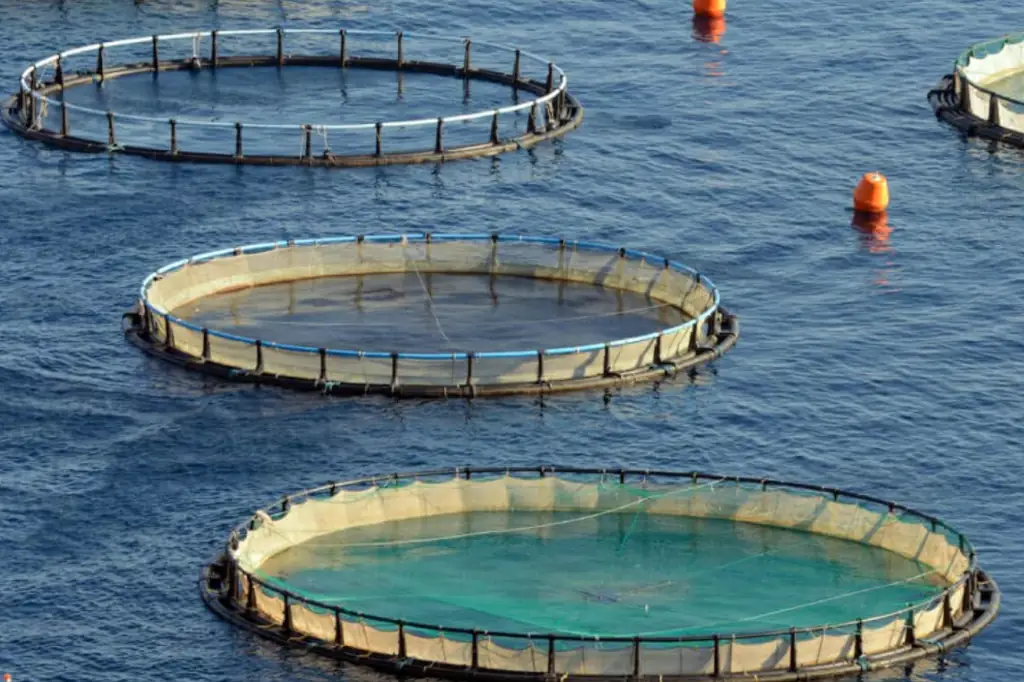
While fishing involves capturing fish or other aquatic species in their natural habitat—that is, under uncontrolled conditions—aquaculture refers to the cultivation of aquatic organisms under controlled and managed conditions, allowing for more precise resource management.
The main difference between fishing and aquaculture lies in the level of human control over the aquatic environment’s resources. Aquaculture is considered a transition between fishing and agriculture.
In this context, Baja California has established itself as a leader in the implementation of this practice in Mexico. In 2024, it received the Sustainable Fishing and Aquaculture Award due to local communities’ projects and programs. This recognition establishes the region as a global reference point for responsible practices that seek to protect the environment and promote social development.
Sustainable aquaculture is the solution we seek to balance food production while conserving our marine resources. This activity has a significant weight in the local economy, which is why it must be promoted from a sustainable and inclusive perspective.
In Mexico, the aquaculture fishing sector annually produces approximately 2 million tons of marine products, with an economic value exceeding 22.4 billion pesos. This sector is essential for the livelihood of thousands of families, making sustainable practices fundamental to ensure a balance between production and environmental conservation.
The principles of sustainable aquaculture aim to ensure a viable future by minimizing environmental impact and optimizing the use of resources, including water and energy. They also aim to ensure adequate conditions for cultivated species and promote social inclusion through decent employment and economic benefits for local communities.
Innovations that transform aquaculture in Baja California
As part of this strategy, Baja California has implemented various innovations in order to revolutionize aquaculture, marking the path toward more sustainable practices.
Examples include Recirculating Aquaculture Systems (RAS), which stand out for their ability to reuse water and significantly reduce water consumption.
Meanwhile, aquaponics has emerged as an efficient model combining aquaculture and hydroponics to maximize resource use and generate synergies between the two practices.
Additionally, advances in genetics and biotechnology are improving the resistance of cultivated species, reducing dependence on chemical treatments and promoting a healthier environment for both aquatic organisms and the ecosystem in general.
The objective of these actions is to optimize production and strengthen the state’s commitment to environmental sustainability.
Sustainable techniques are not just an option — they are a necessity if we are to preserve our environment and improve the quality of life in producing communities. These communities have established a sustainable roadmap for the local economy and activities such as tourism.
Daniel Madariaga. Mexican entrepreneur and a recognized expert in sustainability and ecology. He promotes green innovation through eco-friendly construction, urban mobility, and vertical farming. Educated at EGADE Business School, he integrates technology to support environmental resilience. His work champions inclusive recycling, food waste reduction, and ecological tourism in Mexico.