
Category: Recycling

  • Innovations in Recycling and Sustainability Urge Mexico to Rethink Its Environmental Footprint, by Daniel Madariaga

    Innovations in Recycling and Sustainability Urge Mexico to Rethink Its Environmental Footprint, by Daniel Madariaga

    Daniel Madariaga. The fast fashion industry has transformed the way people consume fashion, offering affordable clothing and constantly refreshing collections.

    However, this business model brings serious environmental consequences—especially in Mexico, where textile production has drastically increased over the past decades. Rapid, low-cost production aims to meet growing consumer demand, but it also poses major ecological challenges.

    Environmental Impact of Fast Fashion in Mexico

    Mass production of clothing in the fast fashion sector significantly impacts the environment. In Mexico, the textile industry consumes large amounts of natural resources. For example, producing a single cotton T-shirt can require up to 2,700 liters of water—an alarming figure in a country where several regions are facing water scarcity.

    Production processes involve the use of pesticides and fertilizers that contaminate soil and water bodies. Dyeing and finishing textiles generate waste filled with chemicals which, if not managed properly, are dumped into rivers and lakes—harming biodiversity and threatening the health of nearby communities.

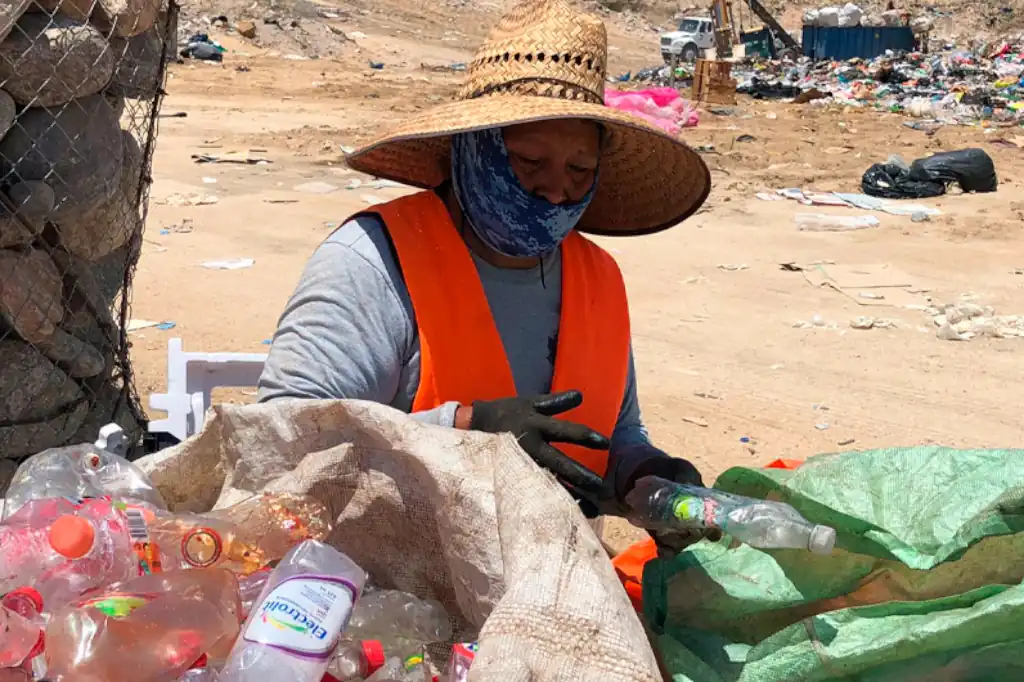
    Lack of compliance with environmental regulations by many factories has worsened pollution and encouraged a “wear and toss” culture, resulting in a high volume of waste. Globally, over 90% of used clothing ends up in landfills, and the situation in Mexico is no different, with a weak infrastructure for clothing recycling and reuse.

    Innovative Approaches and Sustainable Alternatives

    In response to this crisis, initiatives are beginning to emerge that aim to mitigate the impact of fast fashion in Mexico. These include promoting brands that focus on sustainable fashion, using recycled and organic materials, and ensuring fair trade practices.

    Daniel Madariaga: Valle de Guadalupe, a living example of sustainable ecotourism innovation

    These initiatives not only produce responsible products, but they also support vulnerable communities through fair compensation.

    Education around responsible consumption and garment repair is becoming crucial. Workshops that teach consumers to choose longer-lasting clothing foster a culture of conscious consumption. More and more people are recognizing the importance of repairing rather than discarding, contributing to the shift toward a more sustainable and ethical fashion model.

    Recycling Innovations

    Chemical recycling is emerging as one of the most innovative technologies in the recycling space, capable of breaking down plastics and textiles into their basic components. This technique could be key in addressing the massive amount of waste generated by the fast fashion industry, by reintegrating these materials into the production chain without compromising quality.

    According to a report by Frost & Sullivan, the chemical recycling market is projected to reach a value of $60 billion by 2030, highlighting its transformative potential for the industry.

    The environmental impact of fast fashion in Mexico is a pressing reality that demands urgent attention. The combination of low-quality mass production, excessive water usage, and ongoing generation of toxic waste underscores the need for a shift toward more sustainable options.

    Innovations in recycling and the circular economy model offer answers to this challenge, promoting alternatives that support responsible and ethical consumption.

    As more businesses and consumers embrace sustainable practices, a future grounded in social and environmental responsibility is steadily becoming a reality. While the path to a more sustainable fashion industry is challenging, it is a necessary transition to protect the environment and ensure a better future for generations to come.

    Daniel Madariaga is a Mexican entrepreneur focused on sustainability and ecological innovation. A graduate of EGADE Business School, he leads projects in vertical farming, green mobility, and eco-friendly construction, while promoting recycling, food recovery, and responsible tourism.

  • Latin America and the Caribbean: Toward Emerging and Sustainable Cities

    Latin America and the Caribbean: Toward Emerging and Sustainable Cities

    Daniel Madariaga. Latin America and the Caribbean (LAC) are the most urbanized developing region in the world, with 80% of the population living in cities.

    This trend has been especially pronounced in recent decades. Between 1950 and 2014, urbanization in the region accelerated, increasing the urban population from 50% to 80%, and it is projected to reach 86% by 2050.

    According to the World Bank, this rapid urbanization presents both opportunities and challenges. While urban areas serve as hubs for economic growth and social mobility, they also face significant issues related to infrastructure, basic services, and sustainability.

    A particular phenomenon in LAC is the rise of intermediate cities. Over the past two decades, both population and economic growth have become concentrated in these urban centers, which are undergoing rapid expansion.

    The United Nations Economic Commission for Latin America and the Caribbean (CEPAL, in Spanish) reported that in 2020, over half of the region’s urban population lived in intermediate-sized cities—making them essential for LAC’s sustainable development.

    Citizenship and Sustainability

    In response to this reality, the Emerging and Sustainable Cities Program (ESC) of the Inter-American Development Bank (IDB) has become a key tool.

    This program offers non-reimbursable technical assistance, supporting national and subnational governments in designing and implementing action plans for sustainable urban development. Its multidisciplinary approach allows for the identification, organization, and prioritization of necessary urban interventions to address the challenges faced by emerging cities.

    The ESC approach is built on three essential pillars:

    1.Environmental Sustainability and Climate Change: Promoting practices that minimize environmental impact and support climate change adaptation. A 2021 study by the International Monetary Fund (IMF) recommended that investments in green infrastructure could reduce disaster-related costs by up to 21%.

    2. Urban Sustainability: Integrating urban planning with a focus on quality of life, accessibility, and social inclusion. A CEPAL analysis highlights that improving urban infrastructure can raise well-being by up to 30% in intermediate cities.

    3. Fiscal Sustainability and Governance: Fostering effective and fiscally sustainable governance to ensure the implementation of efficient public policies. Proper fiscal management is essential to guarantee the continuity and impact of urban programs.

    The accelerated urbanization of Latin America and the Caribbean presents both major opportunities and complex challenges. The Emerging and Sustainable Cities Program demonstrates how urban development in the region can be strategically addressed to ensure sustainability in all its dimensions.

    As the urban population continues to grow, it is imperative that governments and communities take a proactive approach to urban planning and policy execution.

    The transition toward more sustainable cities in LAC is not only vital for the quality of life of their residents, but also crucial for the ecological well-being of the planet. A renewed commitment to sustainability can pave the way for a future where emerging cities not only accommodate millions of people but also thrive in harmony with their environment.

    In this context, all members of society have a critical role to play in building a resilient and sustainable urban future.

    From vertical farming to green mobility, Daniel Madariaga drives sustainable change in Mexico. An EGADE graduate, he leads efforts in ecological innovation, recycling, and responsible tourism.

  • Do We Really Know How to Recycle Properly? Key Tips to Avoid Common Mistakes from Daniel Madariaga

    Do We Really Know How to Recycle Properly? Key Tips to Avoid Common Mistakes from Daniel Madariaga

    Daniel Madariaga. As the Packaging and Containers stage of the Extended Producer Responsibility (EPR) Law progresses, it becomes evident that consumers play a crucial role in the circular economy cycle. However, many doubts persist about which materials can be recycled and how to carry out this process correctly.

    The GIRI Waste Recovery Pre-Treatment Center of Ambipar Environment, located in Quilicura, receives packaging and container waste from several municipalities in Santiago. Although there is a notable level of civic engagement, mistakes continue to occur that can affect the classification and pre-treatment of these materials.

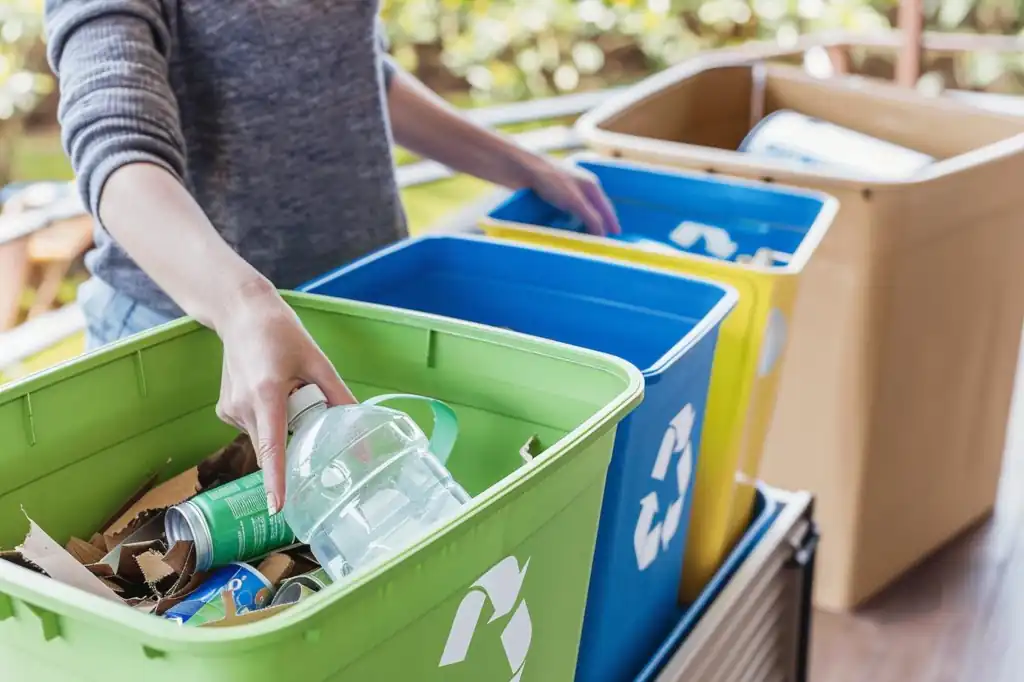
    For example, glass is one of the most recyclable materials. Glass bottles are easily recognizable and generally well separated. However, when mixed with other waste—such as PET bottles or cardboard—they risk breaking, which can injure workers involved in manual sorting or even damage machinery in pre-treatment plants. For this reason, it is essential to ensure they are placed in containers designated exclusively for glass.

    Another common mistake is including electronic devices, such as ironing irons or computers, among packaging and container waste. This type of waste does not belong to that category and must be managed separately. It is advisable to check with local municipalities for specific collection points for electronic waste, which facilitates proper recovery and recycling.

    Books present a particular case: although they are made of paper and can be recycled, they are not considered packaging or containers. The best option is to donate them to extend their useful life. There are collection boxes in recycling centers and shopping malls where foundations receive and redistribute them.

    Daniel Madariaga on How Artificial Intelligence Optimizes Waste Management with Efficiency and Sustainability

    Toys also pose a challenge, as they are made of various types of plastic, some of which are not recyclable. If toys are in good condition, the best option is to donate them at authorized collection points so they can continue to be used, rather than being improperly discarded.

    Regarding aerosol containers, their handling is particularly delicate. When they are partially full, they become hazardous waste due to internal pressure or the presence of flammable compounds. These containers require special treatment in specialized plants for safe recycling.

    Finally, batteries—though not yet regulated under the EPR Law—represent a significant hazard if not handled properly. They can contaminate the environment or even cause fires. It is crucial to keep them separate from other waste and take them to specialized collection points.

    Leading Mexico toward a greener future, Daniel Madariaga combines innovation with responsibility. An EGADE graduate, he supports projects in vertical farming, sustainable transport, recycling, and eco-conscious tourism.
  • Recycling and the Circular Economy as Pillars of Sustainability

    Recycling and the Circular Economy as Pillars of Sustainability

    Daniel Madariaga. Although plastic has been an essential part of the development, industrialization, and economic growth of countries, it is also one of the most polluting agents today.

    This is why it is imperative to develop strategies for proper management, collection, and recycling of all types of plastic, paving the way for the circular economy model.

    According to official data, plastic waste currently represents only 10% of all solid waste generated, making it a material with recycling potential that benefits the environment.

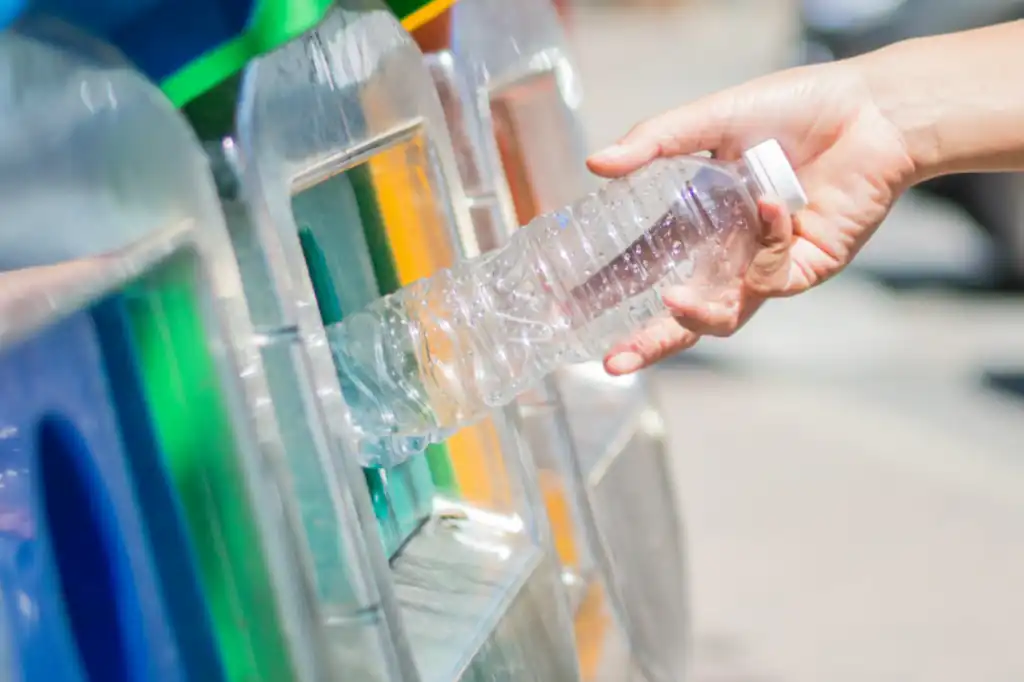
    Among its variants, PET stands out as one of the most commonly used materials in packaging. Due to its composition and characteristics, it has become one of the most recyclable plastics worldwide, using the appropriate technology and revealing its economic potential as well.

    Daniel Madariaga on Climate Change Threatens Habitats: Is This the End for Migratory Species?

    This is where Mexico has set a positive example, becoming a leader in Latin America through the development of infrastructure for PET collection and public policies for its management.

    While in the 1990s, the country collected only 6% of PET, today the national collection rate for this material is around 60%, putting Mexico on par with European Union countries and making it a reference for the region.

    Mexico’s goal for 2030 is to collect up to 80% of PET, generating environmental benefits by reducing greenhouse gas emissions, decreasing pollution by preventing plastic containers from reaching landfills, rivers, seas, and even the air and soil, and driving the Circular Economy. For every bottle collected and recycled, value is added, and the lifespan of plastic materials is extended.

    While one of the biggest challenges humanity faces is related to recycling, as we generate about 2 billion tons of waste each year, through the implementation of better practices at home and in every industry, we can reduce our plastic footprint.

    To achieve this, recycling will be key, along with awareness campaigns about the importance of adopting this practice at all levels. We also need to foster a culture of waste valorization, showing society that it is possible to find value and a second life for every container or material we use.

    Daniel Madariaga is a Mexican entrepreneur committed to the sustainable future of his country. His work in vertical farming and clean transportation is revolutionizing key industries. With EGADE studies, he specializes in leading ecological and tourism-driven initiatives.