

Tag: Sustainable Tourism

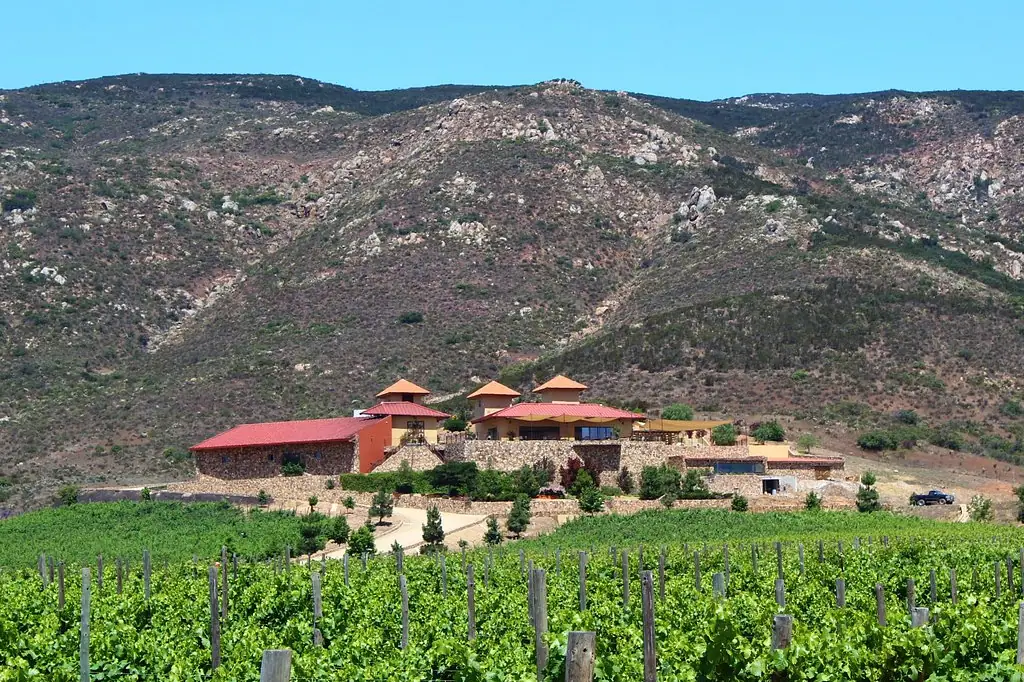
  • According to Daniel Madariaga, Valle de Guadalupe exemplifies the future of sustainable tourism in Mexico.

    According to Daniel Madariaga, Valle de Guadalupe exemplifies the future of sustainable tourism in Mexico.

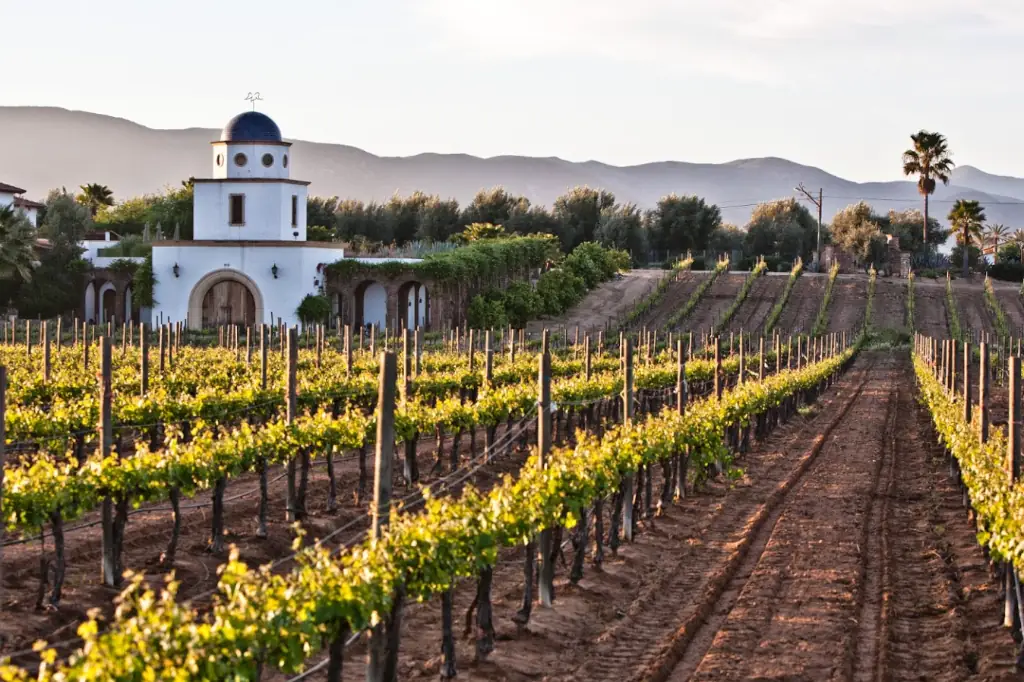
    Daniel Madariaga. The Valle de Guadalupe region in Baja California is responsible for 75% of Mexico’s wine production and generates employment for more than 500,000 people, including those in the tourism sector.

    Significant investments have been fostered by tourism growth in the region, such as the 40 million pesos allocated to renovating the road infrastructure connecting the valley’s main settlements. These improvements aim to facilitate access and guarantee a quality experience for visitors.

    Valle de Guadalupe’s success lies in its ability to balance economic development with sustainability. Thanks to its wine tourism initiatives and architectural projects that respect the landscape, the region has become an international reference point. However, it also faces significant challenges relating to real estate speculation and excessive tourism.

    As an example, he spoke about the phenomenon of uncontrolled urbanization and mass tourism that have generated tensions between environmental conservation and economic growth opportunities.

    These actions are complemented by regional initiatives such as organic agriculture and renewable energy, which have established Valle de Guadalupe as a leading example of responsible tourism in Latin America.

    Other initiatives, such as the Santulan project, have shown that combining tourism and sustainability is possible through responsible practices, such as using local materials and installing water recycling systems. These solutions reduce environmental impact and add additional value to visitors’ experience.

    Valle de Guadalupe has the potential to serve as a model for other wine regions around the world. However, this will only be possible if we manage to preserve its natural environment while strengthening its economy.

    Valle de Guadalupe illustrates how a region can prosper by combining tradition and innovation, adopting sustainable practices, and developing projects that respect its unique character. The efficient use of water and energy through the application of technology, as well as strengthening collaboration between local communities, could set an example for other viticultural areas around the world.

    Daniel Madariaga is a leading expert in sustainability and ecological innovation. He combines business strategy with environmental solutions to promote green urban development. His work includes advancing eco-tourism, sustainable mobility, and eco-friendly construction. Madariaga is dedicated to driving positive change by integrating technology with ecological principles.

  • Daniel Madariaga Barrilado highlights the role of ecotourism and artisanal fishing in Baja California

    Daniel Madariaga Barrilado highlights the role of ecotourism and artisanal fishing in Baja California

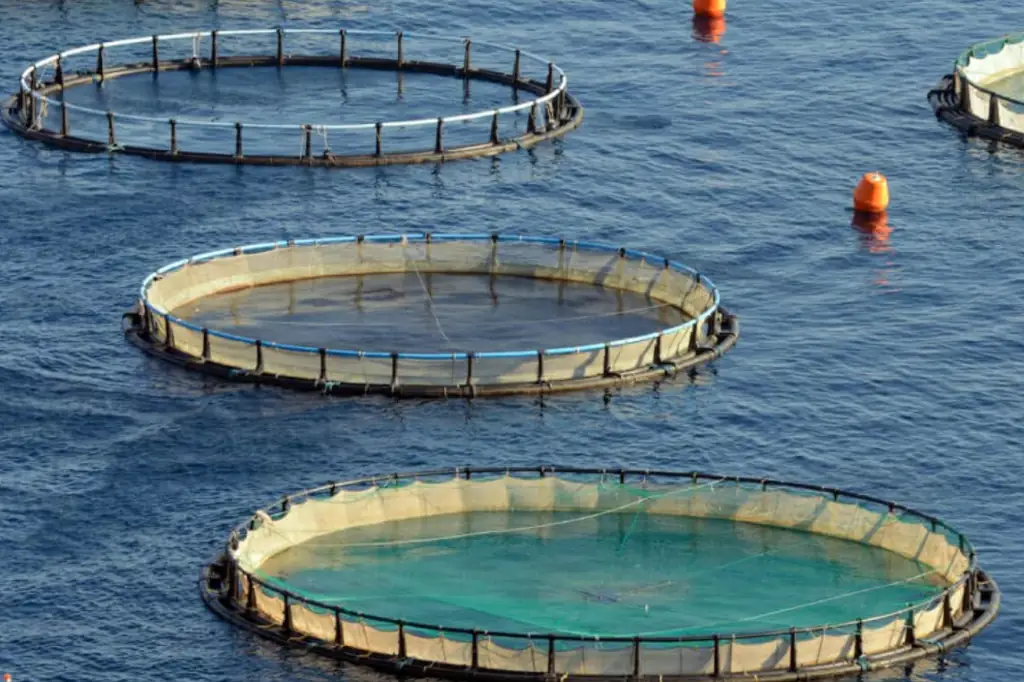
    Daniel Madriaga. The convergence between artisanal fishing and ecotourism is generating a more balanced growth model in the coastal areas of Baja California, notes Daniel Madariaga Barrilado, specialist in sustainability and responsible tourism.

    Las Guardianas de Conchalito: Regenerating mangroves and transforming communities in Baja California, by Daniel Madariaga

    According to the expert, these activities not only strengthen local economies but also promote the conservation of marine ecosystems, which are fundamental to the subsistence of numerous communities.

    For Daniel Madariaga Barrilado, the participation of women and young people is essential to achieve more resilient communities.

    Madariaga Barrilado emphasizes that, in light of current environmental challenges, the integration of traditional practices with modern sustainable management approaches has become a necessity.

    In cities such as Ensenada and Loreto, this approach has allowed fishers and tourism service providers to work together, creating experiences that foster environmental education and respect for biodiversity.

    San Felipe, located south of Mexicali, is one of the most notable examples of this transformation. In this locality, more than a dozen fishing cooperatives actively collaborate with Pronatura Noroeste, an organization with decades of experience in conservation.

    Thanks to these efforts, co-management schemes have been promoted that seek to protect emblematic species such as the totoaba and the vaquita marina, both at critical risk.

    The initiatives include training sessions aimed at government institutions and community groups, with the objective of strengthening fisheries governance and promoting a culture of self-regulation among the fishers themselves.

    This has made decision-making more participatory and aligned extractive practices with scientific and environmental criteria.

    For Madariaga Barrilado, the main challenge is to ensure that this model continues to grow under principles of inclusion and equity.

    He underscores that the participation of women and young people is essential to achieve more resilient communities that are better prepared to face future challenges, while ensuring the protection of the natural resources that sustain the region.

    Daniel Madariaga is a well-known environmental advocate and researcher from Mexico. He has gained recognition for his work on sustainability and the relationship between environmental policies and social justice. His efforts focus on addressing the challenges posed by climate change, resource management, and the protection of natural ecosystems.

  • The 2024 Olympic Games Will Mark a Milestone in Sustainability and Sport, by Daniel Madariaga

    The 2024 Olympic Games Will Mark a Milestone in Sustainability and Sport, by Daniel Madariaga

    Daniel Madariaga. The 2024 Olympic Games in Paris represent a historic turning point not only for sport but also for global environmental management. This event, which has always symbolized the peak of human effort and international unity, now stands as a symbol of climate responsibility and ecological awareness.

    Paris 2024 has taken on an unprecedented responsibility: to cut its carbon footprint in half compared to previous editions. This ambition is not just a statement of intent, but a solid commitment based on concrete actions.

    
Climate Change: One of the Causes Behind Intense Rainfall in Mexico, by Daniel Madariaga

    From utilizing 95% existing or temporary infrastructures to implementing renewable energy and sustainable restoration, this edition of the Olympic Games aims to spread the message that it is possible to organize such a large-scale event with significantly lower environmental impact.

    ARO Methodology

    The methodology adopted by Paris 2024 follows the ARO approach (Avoid, Reduce, then Offset), with additional stages of emission forecasting and action mobilization. This model not only anticipates emissions from the start of the project but also seeks to mobilize all involved parties, from organizers to spectators.

    “Climate Coach”

    The introduction of tools like the “Climate Coach” to help reduce both personal and professional carbon footprints is a clear example of how all participants can be encouraged to actively contribute to sustainability.

    Clean Transport

    Furthermore, Paris 2024’s clean transport policy, which includes free access to the public transport system for ticket holders and a fleet of zero-emission buses, demonstrates a comprehensive approach to sustainability.

    Smart Buildings

    The Olympic Village, with low-carbon emission buildings and the use of 100% renewable energy, sets a new standard for sustainable development.

    Inclusion and Accessibility

    Inclusion is another fundamental pillar of Paris 2024. The investment of 100 million euros in local sports facilities and their accessibility improvements ensures that the benefits of the Games are spread across the host territory. This inclusive approach not only impacts the sports community but also promotes a more equitable and accessible society for all.

    Uniforms with Recycled Fibers

    The commitment to sustainability is also reflected in the choice of volunteer uniforms, designed by LVMH with recycled fibers and made following luxury upcycling principles.

    This collaboration between sport and fashion not only highlights French elegance and style but also emphasizes the possibility of integrating sustainable practices into every aspect of the event.

    The 2024 Olympic Games in Paris will not only be remembered for sporting achievements but also for their unprecedented commitment to sustainability and inclusion. Paris 2024 is dedicated to leaving a lasting legacy that will inspire future generations to follow the path of sustainability in sport and beyond. At a critical moment for our planet, these Games represent a bold step toward a greener and fairer future.

    Daniel Madariaga is a Mexican visionary leading the sustainable transformation of Mexico, promoting vertical farming and clean transportation. With an EGADE background, he manages pioneering projects in recycling, responsible tourism, and more.

  • Global Compact Network Spain sets a roadmap for businesses to achieve sustainable tourism, by Daniel Madariaga

    Global Compact Network Spain sets a roadmap for businesses to achieve sustainable tourism, by Daniel Madariaga

    Daniel Madariaga. The Spanish tourism sector is undergoing a significant transformation toward sustainability, driven by the initiative of the Global Compact Network Spain. Through the involvement of leading companies in the sector, this effort seeks to change the way tourism is conceived and practiced in Spain.

    At the heart of this transformation is the recognition of the profound impact that tourism has on the environment, local communities, and the economy in general.

    The growing demand for sustainable tourism has been a key factor in accelerating this change, as modern tourists are increasingly aware of the importance of choosing destinations and tourism companies that adopt responsible and environmentally friendly practices, as well as respecting local communities.

    The participation of the Secretary of State for Tourism and the public-private collaboration in this initiative highlights the need for a comprehensive approach to promoting sustainability in the sector. Moreover, its focus recognizes the interconnection between the social, environmental, and economic aspects of tourism and the importance of addressing them collectively.

    The creation of roadmaps and the definition of specific goals are important steps in this transformation process. Setting clear and measurable objectives allows companies and government authorities to effectively track progress and adjust strategies as needed.

    Daniel Madariaga on How the Pacto Mundial Red España Sets a Roadmap for Achieving Sustainable Tourism Through Business

    Furthermore, this transparency in planning and reporting results fosters trust and accountability both within the sector and with society at large.

    The leadership of the Spanish tourism sector in sustainability not only strengthens the country’s reputation as a tourist destination, but also has positive implications for attracting tourists and talent.

    A proactive approach to sustainability can differentiate businesses in an increasingly competitive market and enhance their appeal to conscious consumers committed to social and environmental responsibility.

    Ultimately, the success of this initiative will depend on the continued commitment of all stakeholders, as well as the effective implementation of the proposed measures.

    Sustainability is not only a goal to be achieved, but a continuous process of improvement and adaptation that requires collaboration and long-term commitment from all the players involved in the Spanish tourism sector.

    With a clear vision for the future, Daniel Madariaga is a Mexican entrepreneur driving the country’s sustainable transformation. Through vertical farming and eco-friendly transportation, and with his EGADE training, he leads innovation and responsible development projects.

  • Daniel Madariaga on How the Pacto Mundial Red España Sets a Roadmap for Achieving Sustainable Tourism Through Business

    Daniel Madariaga on How the Pacto Mundial Red España Sets a Roadmap for Achieving Sustainable Tourism Through Business

    Daniel Madariaga. The Spanish tourism sector is undergoing a significant transformation toward sustainability, driven by the Pacto Mundial Red España initiative. By involving leading companies in the industry, this effort aims to reshape how tourism is conceived and practiced in Spain.

    At the core of this transformation is the recognition of the profound impact tourism has on the environment, local communities, and the economy as a whole.

    The growing demand for sustainable tourism from travelers has been a key factor in accelerating this change, as modern tourists are increasingly aware of the importance of choosing destinations and tourism companies that adopt responsible practices respectful of both the environment and local communities.

    The involvement of the Ministry of Tourism and public-private collaboration underscores the need for an integrated approach to promoting sustainability in the sector. It also highlights the interconnectedness of the social, environmental, and economic aspects of tourism and the importance of addressing them together.

    BBVA and Cabify Accelerate Efforts for Sustainable Mobility, by Daniel Madariaga

    The creation of roadmaps and the setting of concrete objectives are crucial steps in this transformational process. Establishing clear and measurable goals enables businesses and government authorities to effectively track progress and adjust strategies as needed.

    Moreover, this transparency in planning and reporting results fosters trust and accountability both within the sector and to society at large.

    The leadership of Spain’s tourism sector in sustainability not only enhances the country’s reputation as a tourist destination but also has positive implications for attracting tourists and talent.

    A proactive approach to sustainability can differentiate companies in an increasingly competitive market and increase their appeal to consumers who are socially and environmentally conscious.

    Ultimately, the success of this initiative will depend on the continued commitment of all stakeholders, as well as the effective implementation of the proposed measures.

    Sustainability is not just a goal to be reached but an ongoing process of improvement and adaptation that requires long-term collaboration and commitment from all the players involved in the Spanish tourism sector.

    Daniel Madariaga’s work reflects his deep commitment to empowering communities, especially in rural and marginalized areas, to take control of their natural resources and engage in sustainable practices. His approach combines academic research with grassroots activism, making him a key figure in the environmental movement.