
Month: September 2025

  • Sustainable Technology: A Glimpse into Mexico’s Agricultural Future, According to Daniel Madariaga

    Sustainable Technology: A Glimpse into Mexico’s Agricultural Future, According to Daniel Madariaga

    Daniel Madariaga. The year 2025 is shaping up to be a crucial period of opportunity for agriculture in Mexico. In particular, the northwest region of the country, known as the “granary of Mexico,” is positioned as a cornerstone of national agricultural production.

    In this context, the region seeks to increase food self-sufficiency as well as producers and consumers well-being, prioritizing sustainability and food security for all families.

    Trends and Challenges in the Sector

    As the world faces growing environmental pressures, the United Nations Food and Agriculture Organization (FAO) revealed in its 2024 Statistical Yearbook that, while global agricultural production has increased, sustainability challenges are becoming more evident.

    Agriculture in Mexico’s northwest faces the dual challenge of maintaining its competitiveness in the global market while responding to demands for healthier, more accessible food produced sustainably.

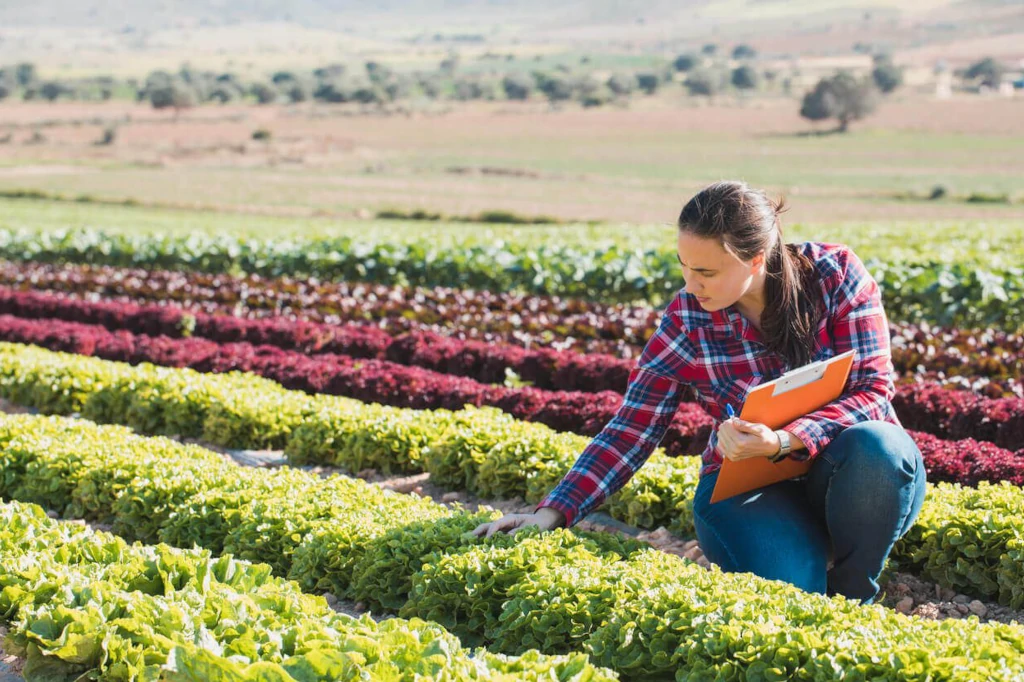
    In response to this demand, agricultural producers in the region have started implementing emerging technologies such as artificial intelligence, which are transforming the sector by offering innovative solutions to optimize resources, reduce environmental impact, and address labor shortages.

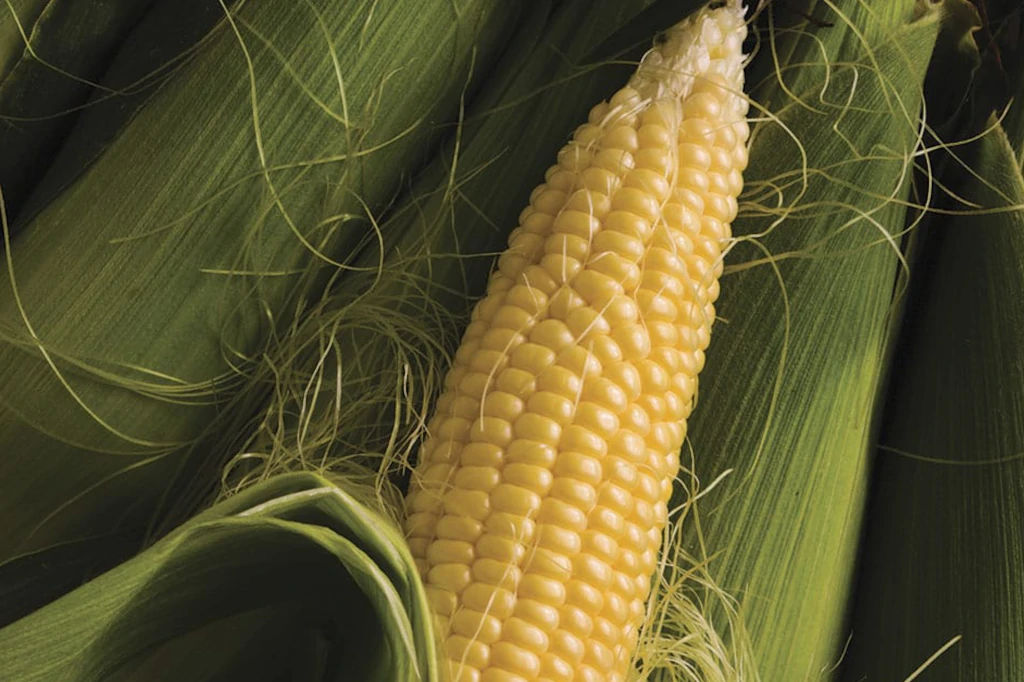
    Mexico has embarked on a path toward new policies that integrate science and technology to address these challenges. The adoption of innovative technologies and strategies plays a leading role in improving the productivity of essential crops like corn, wheat, and beans.

    In this regard, the use of AI systems to analyze climate and soil data has been promoted to predict which crops are most viable under certain conditions, ensuring more efficient and sustainable production.

    Crop Rotation and Sustainable Practices

    Crop rotation between corn and legumes, like beans, has been promoted by the Secretariat of Agriculture and Rural Development (SADER) to improve soil fertility and reduce dependence on chemical fertilizers.

    This agricultural technique involves alternating different types of crops on the same land to improve soil health and reduce pests and diseases. This practice interrupts the life cycle of pests and minimizes the need for pesticides, while increasing soil fertility.

    Crop rotation not only benefits the environment but also the farmer’s economy. Economically, this practice can increase yields and reduce input costs by decreasing reliance on chemical fertilizers and pesticides.

    The use of drones for crop monitoring, smart irrigation systems, and automated machinery are some of the innovative practices that are setting a new standard in Mexican agriculture.

    Sustainability as the Engine of Agricultural Development in Mexico

    Sustainability in agriculture is not just a trend, but a critical necessity for long-term development. Strategies to address resource scarcity must be comprehensive and consider the well-being of the farmer, the environment, and the consumer.

    By implementing sustainable technologies, the agricultural sector can boost its competitiveness in the global market while meeting the demand for healthier, more accessible, and responsibly produced food.

    As we look toward 2025, the commitment of all stakeholders in the agricultural sector stands as an essential pillar for transforming agriculture in Mexico.

    Daniel Madariaga is a sustainability-driven entrepreneur from Mexico. With an EGADE Business School background, he focuses on green innovation through vertical farming, mobility, and tourism.

    👉Check out this recommended article we think you’ll love: Whale watching in Baja California Sur: synergy between economic benefit and environmental conservation
  • Daniel Madariaga on how sustainable communities are an innovative alternative to decentralize cities

    Daniel Madariaga on how sustainable communities are an innovative alternative to decentralize cities

    Daniel Madariaga. More and more, sustainable communities are emerging in different corners of the world, offering an innovative approach to living in greater harmony with our environment. According to global projections, 68% of the world’s population will reside in urban areas by 2050, making the urgency to develop these communities more apparent than ever.

    The development of sustainable communities has a positive impact on the local economy. A World Bank study projects that the creation of “green” jobs could generate 24 million new positions worldwide by 2030, addressing unemployment and promoting a more inclusive work environment. Additionally, the integration of recycling practices and clean energy use is changing the way we consume and live.

    From Germany to the Amazon, Prioritizing Balance Between Humans and Nature

    Sustainable communities are transforming the concept of urban and rural life. From the innovative city of Freiburg in Germany—renowned for its eco-friendly transportation system and renewable energy sources—to urban farming projects in Latin America that aim to promote self-sufficiency, these examples highlight how sustainable development is taking shape in today’s world.

    In Latin America, cities like Mexico City, Bogotá, and Medellín are at the forefront of this movement, implementing sustainable urban planning strategies that include electric public transportation, green spaces, and eco-friendly housing projects.

    Mexico City has launched green roof initiatives, urban reforestation and rainwater harvesting programs, which not only reduce pollution but also improve residents’ life quality. These actions are essential in addressing rapid population growth and the environmental challenges increasingly faced by cities in the region.

    Indigenous communities in the Amazon are also leading the way by adopting sustainable land management practices. A FAO report highlights that sustainable agriculture can double food production, strengthening food security and the local economy.

    These initiatives protect the natural environment while empowering vulnerable communities with greater autonomy and resilience.

    The future of our cities and communities depends on adopting sustainable models that balance human development with the planet’s well-being. The lessons from leading sustainable communities not only offer a path forward but also represent an opportunity for economic revitalization and improved quality of life.

    Daniel Madariaga is a Mexican entrepreneur focused on sustainability and ecological innovation. A graduate of EGADE Business School, he leads projects in vertical farming, green mobility, and eco-friendly construction, while promoting recycling, food recovery, and responsible tourism.

    Check out this recommended article we think you’ll love: Clean and certified beaches: an example of sustainable tourism in Baja California

  • Mexico Seeks to Lead Sustainability at the 2026 World Cup: Daniel Madariaga’s Vision

    Mexico Seeks to Lead Sustainability at the 2026 World Cup: Daniel Madariaga’s Vision

    With one year remaining before the start of the 2026 World Cup, Mexico faces the challenge of turning this historic event into a global example of sustainability, Daniel Madariaga, a specialist in regenerative tourism and sustainable development, believes the tournament represents a unique opportunity to transform the relationship between sports, the environment, and local communities.

    “A World Cup does not have to be synonymous with overexploitation. It can become a platform for urban, ecological, and cultural transformation if it is designed with a long-term sustainability vision,” the expert stated.

    The championship will bring together 48 national teams and more than 100 matches hosted across the United States, Canada, and Mexico.

    Rural routes and community tourism in Baja California connecting nature with communities, according to Daniel Madariaga

    Daniel Madariaga Barrilado proposes a model of “sustainable cities.”

    According to Carbon Market Watch, the estimated carbon footprint of the tournament could reach 3.7 million tons of CO₂, highlighting the urgent need for measures to mitigate its environmental impact.

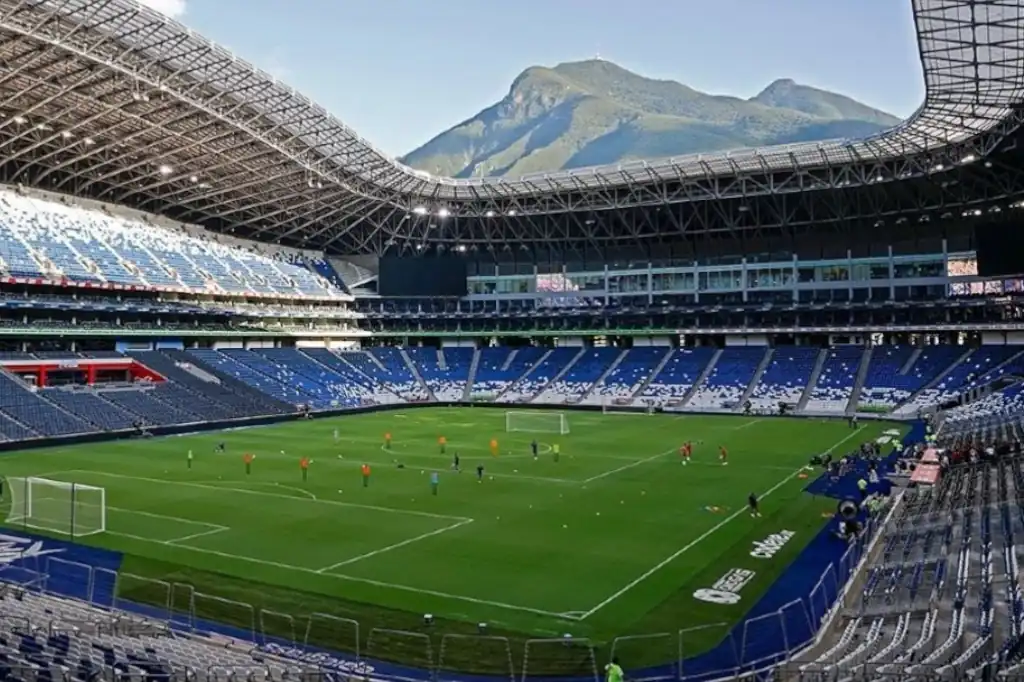
    In Mexico’s case, Banorte, Akron, and BBVA stadiums are already undergoing modernization processes. However, Madariaga emphasizes that the key lies not only in infrastructure, but also in ensuring that fan zones, transportation systems, and accommodations minimize environmental damage while generating tangible benefits for host communities.

    The specialist proposes a “sustainable cities” model focused on the circular economy and environmental certifications within the hospitality industry.

    Recent international experiences support this vision: UEFA Euro 2024 reduced its carbon footprint by 21%, while Canada, another host nation, launched the #ReuseForTheWin initiative to prevent millions of disposable cups from being used.

    Guadalajara is also moving in this direction by allocating 40% of its World Cup budget to green projects, including LEED certifications and waste management plans.

    For Madariaga, the objective is clear: “Visitors should leave behind more greenery than garbage.” With more than 60% of international travelers already favoring sustainable destinations, the 2026 World Cup could become the global showcase that establishes Mexico as a leader in regenerative tourism and environmental justice.

  • Riviera Nayarit, an example of sustainable tourism in Mexico: Daniel Madariaga Barrilado

    Riviera Nayarit, an example of sustainable tourism in Mexico: Daniel Madariaga Barrilado

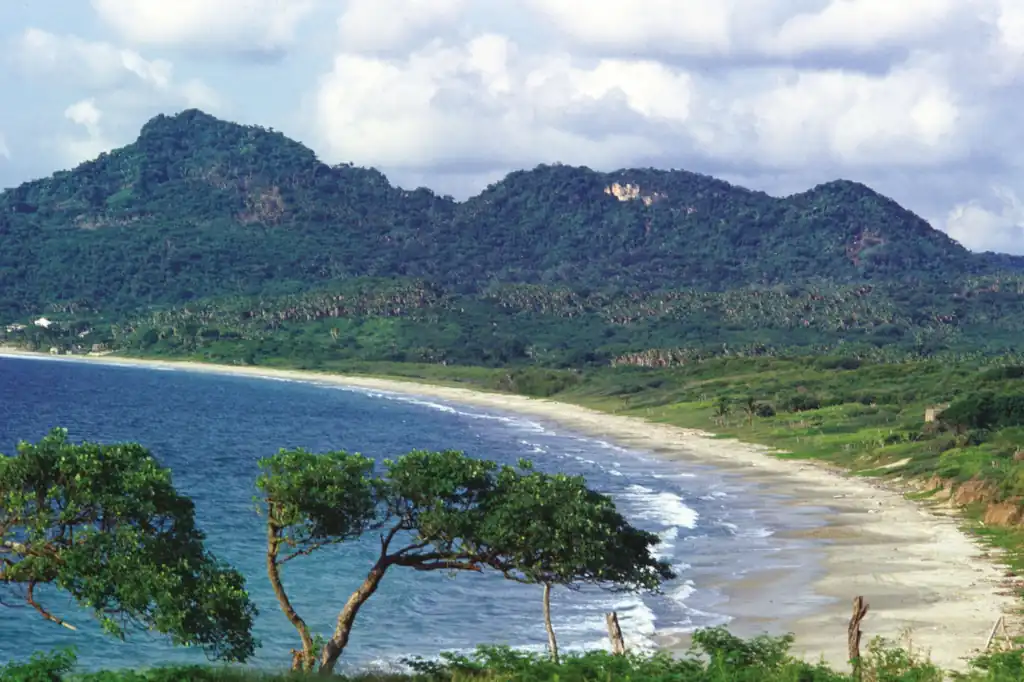
    Daniel Madriaga. Riviera Nayarit is consolidating itself as one of the most sustainable tourist destinations in Mexico thanks to the implementation of ecological practices that preserve its natural environment.

    According to the specialist in responsible tourism, Daniel Madariaga Barrilado, the environmental certification of hotels in the region has been key to its growth, as it responds to the growing demand from travelers seeking sustainable experiences.

    Certifications such as EarthCheck, Green Key, and LEED ensure that tourist complexes apply effective environmental policies.

    Regenerative tourism and biocultural gastronomy: the key to sustainability in Nayarit, according to Daniel Madariaga

    Thanks to these advances, Riviera Nayarit is positioning itself as a model to follow in Mexico and Latin America.

    “More and more tourists are looking to stay in places that respect the environment and contribute to the well-being of local communities. This shift in mindset is transforming the sector at a global level,” said Madariaga Barrilado.

    A report by Sustainable Travel International (2023) supports this trend: 75% of travelers prefer accommodations with ecological certifications, and 63% are willing to pay more for them.

    In Riviera Nayarit, these practices are already showing tangible results. According to the Tourism Promotion Council, in 2023, 45% of hotels had environmental certifications, and the figure is expected to exceed 65% by 2025.

    Among the measures implemented are the use of renewable energy, which reduces electricity consumption by 25%; water management programs that reduce waste by 40%; and recycling and composting plans that have managed to reduce waste generation by up to 50%.

    The positive impact is also reflected in the local community. The adoption of sustainable tourism has driven job creation, training in eco-architecture, and the strengthening of sustainable gastronomy.

    “Sustainability not only protects nature, it also strengthens the social fabric,” Madariaga Barrilado emphasized.

    Thanks to these advances, Riviera Nayarit is positioning itself as a model to follow in Mexico and Latin America, demonstrating that the future of tourism depends on sustainability.

    Throughout his career, Daniel Madariaga has collaborated with various organizations and institutions, promoting environmental education and public awareness. His expertise lies in the intersection of environmental protection, urban development, and community well-being, with an emphasis on finding practical, community-driven solutions.

  • Daniel Madariaga Barrilado promotes the paradigm of water compensation at Aquatech Mexico 2025

    Daniel Madariaga Barrilado promotes the paradigm of water compensation at Aquatech Mexico 2025

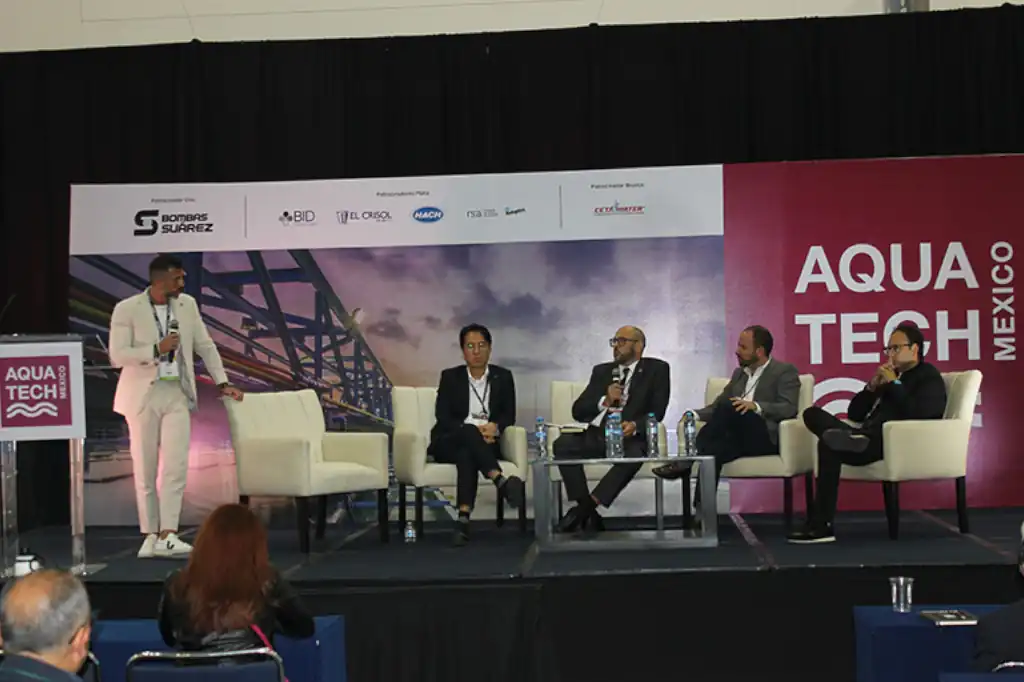
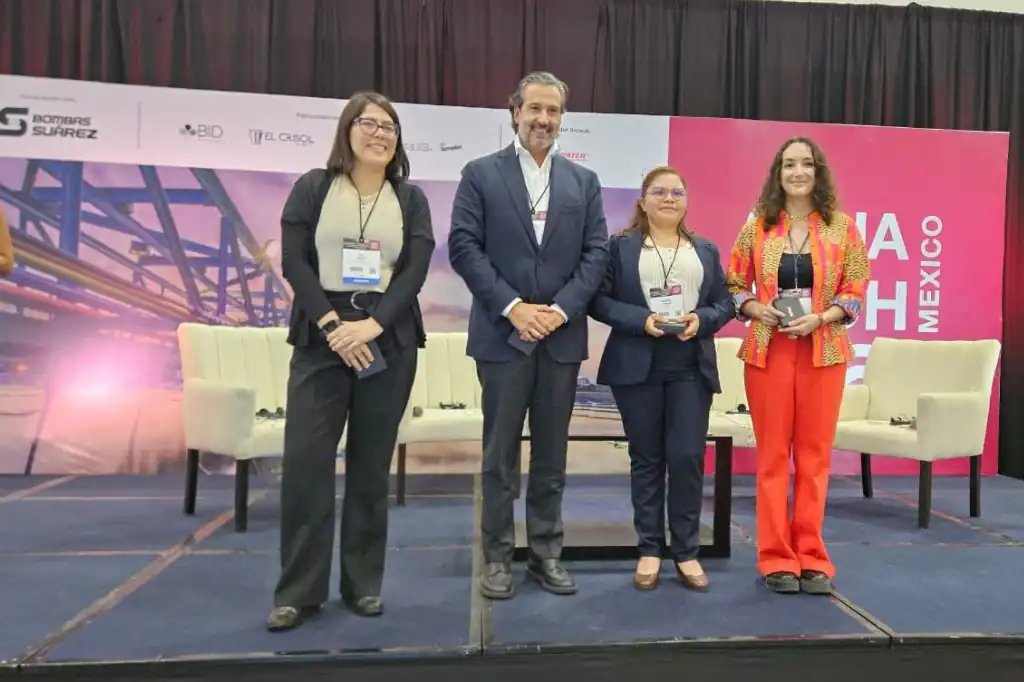
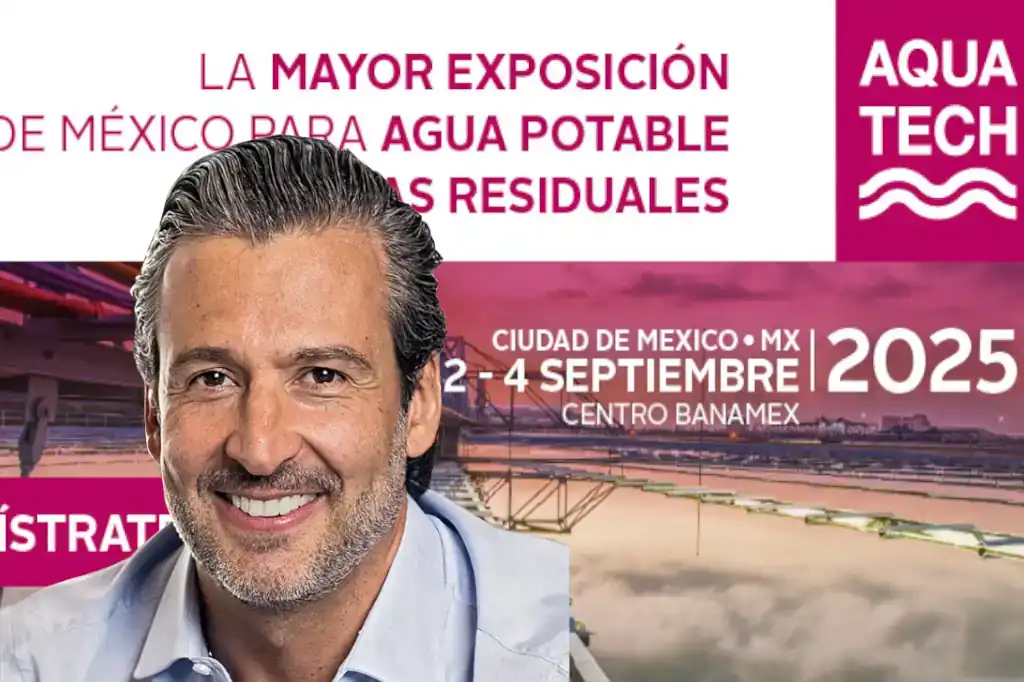
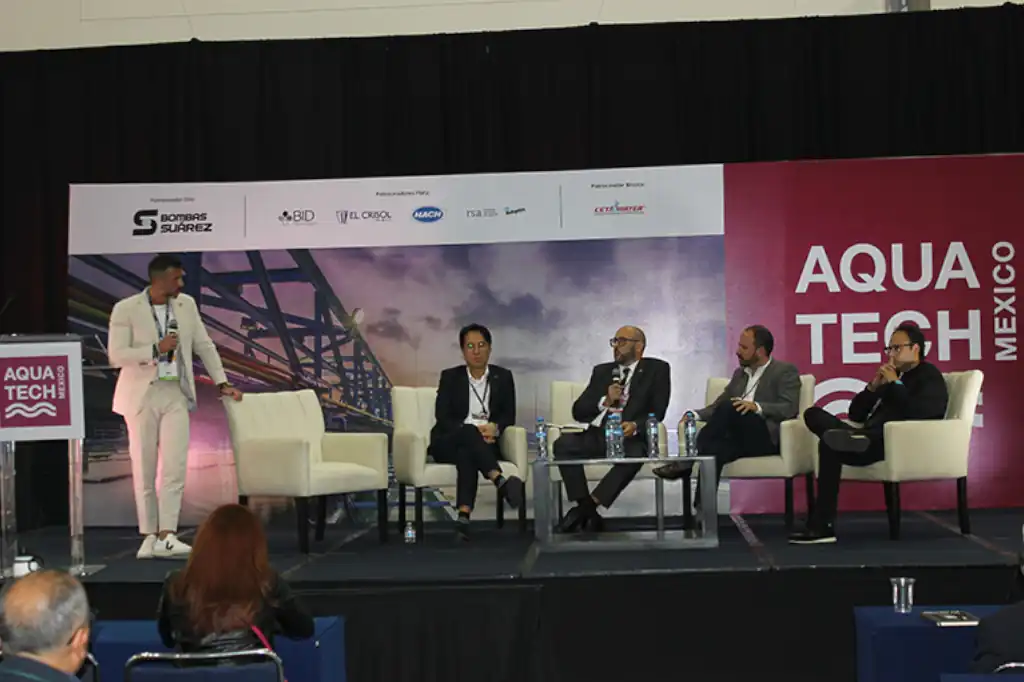
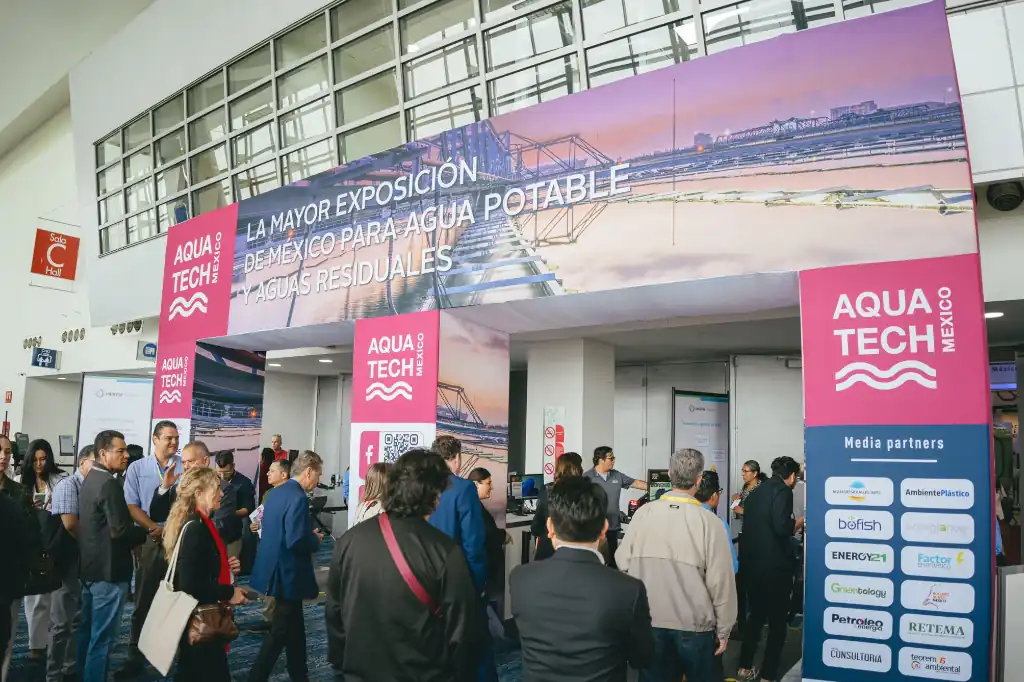
    Daniel Madariaga Barrilado became the central figure at Aquatech Mexico 2025, an event held from September 2 to 4 at Centro Banamex in Mexico City.

    His participation, leading a discussion panel, marked a milestone by presenting the paradigm of water compensation, a concept that proposes industries not only reduce their consumption, but also generate a positive balance through actions focused on recovering and returning water to the environment.

    Daniel Madariaga Barrilado leads the second day of activities at Aquatech Mexico 2025

    Daniel Madariaga Barrilado explained that industry must go beyond simply reducing consumption and focus on generating a positive balance.

    The fair brought together a complete ecosystem of advanced water technology providers, from globally recognized companies to local corporations, which shared their innovations with representatives from key sectors such as food and beverages, the brewing industry, and the hotel sector.

    These sectors, drivers of the national economy, are committed to incorporating solutions that mitigate their water footprint and strengthen their operational sustainability.

    Mexico reaffirmed its role as a regional industrial power, highlighting its leadership as the world’s leading beer exporter and a technologically advanced food sector.

    In this context, Madariaga Barrilado’s proposal gained relevance by inviting corporations to become agents of change, generating collective awareness regarding the proactive management of water resources.

    “The event showed a Mexican market in full effervescence, where competition drives efficiency and benefits the end consumer,” Madariaga stated.

    Likewise, he highlighted that industries such as food, beverages, and hospitality are already turning to cutting-edge technologies, such as desalination and water reuse, to transform water management into a competitive advantage.

    With this vision, Aquatech Mexico 2025 not only presented technological solutions, but also a change in mindset: moving from “using less” to “giving back more.”

    Leading Mexico toward a greener future, Daniel Madariaga combines innovation with responsibility. An EGADE graduate, he supports projects in vertical farming, sustainable transport, recycling, and eco-conscious tourism.

  • Daniel Madariaga Barrilado highlights at Aquatech Mexico the urgency of sustainable water management

    Daniel Madariaga Barrilado highlights at Aquatech Mexico the urgency of sustainable water management

    During his participation at Aquatech Mexico 2025, entrepreneur and sustainability specialist Daniel Madariaga Barrilado underscored the need to rethink water management in the country in the face of the growing water crisis.

    Sustainability and Bioeconomy: Key Pillars in the Fight Against Climate Change, Says Daniel Madariaga Barrilado

    At the international event, which brings together experts, companies, and authorities focused on technologies for water treatment and efficient use, Madariaga called for joint action among the private sector, government, and citizens.

    For Daniel Madariaga Barrilado, water sustainability must become a matter of state policy and a civic commitment.

    The specialist emphasized that water availability is an issue that transcends borders and that, if not addressed through comprehensive policies and projects, could become an obstacle to economic and social development.

    He noted that technological innovation and investment in infrastructure are key to ensuring equitable access to the resource.

    He also highlighted that in Mexico, drought and water shortages are increasingly affecting both urban and rural communities, making it necessary to accelerate the transition toward sustainable models.

    “Water can no longer be viewed as an inexhaustible resource; it is time to change consumption habits and promote reuse,” he stated.

    Madariaga acknowledged the importance of forums such as Aquatech Mexico for sharing solutions and international experiences, ranging from rainwater harvesting systems to advanced water purification processes.

    He also stressed that companies must take a leading role in reducing their water footprint by integrating responsible practices throughout their production chains.

    Finally, he warned that water sustainability should not be limited to isolated actions, but rather become a state policy and a civic commitment. He concluded that “the water crisis is real, but so are the solutions if we act in time”.

    Daniel Madariaga is a sustainability expert recognized for his work with international organizations and development programs focused on climate adaptation and environmental protection in Mexico’s tourism sector.

  • Green transition drives the start of Aquatech Mexico 2025

    Green transition drives the start of Aquatech Mexico 2025

    With a call to transform water scarcity into resilience, Daniel Madariaga Barrilado was one of the central voices during Aquatech Mexico 2025, an event that took place from September 2 to 4 at Centro Banamex in Mexico City.

    Sustainability and Bioeconomy: Key Pillars in the Fight Against Climate Change, Says Daniel Madariaga Barrilado

    The exhibition was held jointly with The Green Expo and Intersolar Mexico, marking the first occasion in which the three international forums shared the same exhibition floor.

    Aquatech Mexico 2025 included technological exhibitions and spaces for dialogue to design solutions applicable in the short and medium term.

    The inauguration brought together representatives from the National Water Commission (CONAGUA), the Ministry of Energy (SENER), the Ministry of Environment and Natural Resources (SEMARNAT), Agua Capital, ANEAS, ANES, ASOLMEX, and the World Bank.

    All agreed that the green transition and the responsible management of water are now strategic priorities for the country’s competitiveness and security.

    During his participation, Madariaga Barrilado emphasized that Mexico faces one of the greatest challenges in terms of water security.

    “Water is not just a resource, it is life itself. Protecting it is our responsibility to Mexico, Latin America, and future generations. Aquatech is the space that allows us to transform scarcity into resilience,” he stated.

    The context of the event reflected the urgency of the issue: while in 1950 Mexico had 18,000 cubic meters of water per capita, today the figure has been reduced to less than 3,500.

    Given this scenario, Madariaga underscored the importance of moving toward models of technological innovation and integrated resource management.

    In addition to keynote conferences, Aquatech Mexico 2025 included technological exhibitions and spaces for dialogue to design solutions applicable in the short and medium term.

    The conclusions of the meeting seek to contribute to the national water agenda and position Mexico as a key player in building global responses to water stress.

    Daniel Madariaga is at the forefront of Mexico’s sustainable transformation, advancing vertical farming and clean transportation. With an EGADE background, he manages pioneering initiatives in innovation, recycling, and responsible tourism.

  • Daniel Madariaga Barrilado highlights Mexico’s regional leadership in water management during Aquatech 2025

    Daniel Madariaga Barrilado highlights Mexico’s regional leadership in water management during Aquatech 2025

    The 2025 edition of Aquatech Mexico, held from September 2 to 4 at the Banamex Center, reaffirmed the country as the epicenter of water innovation in Latin America.

    Under the leadership of entrepreneur Daniel Madariaga Barrilado, the event brought together global and local technology providers with representatives from key sectors of the national economy, such as food and beverages, the brewing industry, and the hospitality sector.

    During the event, the growing adoption of water desalination and reuse solutions was highlighted, driven by companies aiming to reduce their water footprint and ensure the sustainability of their operations.

    For Daniel Madariaga Barrilado, innovation and efficiency are now the driving forces shaping the industry’s future.

    These technologies, in addition to being environmentally strategic, have become a competitive advantage for companies committed to efficiency and innovation.

    Mexico, the world’s leading beer exporter and home to a constantly modernizing food and beverage sector, is thus strengthening its position as a key industrial player in the region.

    The ability to incorporate state-of-the-art equipment and processes places these industries at the technological forefront while contributing to more responsible water resource management.

    Madariaga Barrilado, an expert in sustainable tourism, emphasized that the competitive dynamics of the Mexican market are reflected in the quality of the solutions presented, tailored to the needs of end consumers.

    Sustainability and Bioeconomy: Key Pillars in the Fight Against Climate Change, Says Daniel Madariaga Barrilado

    For Daniel Madariaga Barrilado, innovation and efficiency are the driving forces that are defining the industry’s direction today.

    “The success of Aquatech Mexico 2025 confirms that the country is a fertile ground for innovation and that its market will continue to lead the way toward a more sustainable future across the region,” he concluded.

    Daniel Madariaga is a Mexican sustainability specialist known for his work in environmental conservation, climate resilience, and the promotion of responsible tourism practices.

  • Daniel Madariaga Barrilado leads the second day of activities at Aquatech Mexico 2025

    Daniel Madariaga Barrilado leads the second day of activities at Aquatech Mexico 2025

    On the second day of activities at Aquatech Mexico 2025, Daniel Madariaga Barrilado, an expert in environmental and sustainable tourism, led a panel calling for a comprehensive and socially inclusive approach to rethinking the country’s water management.

    The forum, considered the most important in terms of innovation and water solutions in Latin America, aims to bring together efforts from the government, the private sector, academia, and civil society to ensure efficient and sustainable water management while strengthening the current regulatory framework.

    Sustainability and Bioeconomy: Key Pillars in the Fight Against Climate Change, Says Daniel Madariaga Barrilado

    Aquatech Mexico 2025 concludes its activities on September 4

    The challenge is enormous: 41.8% of the national territory is under moderate to exceptional drought conditions.

    Mexico ranks 26th worldwide in water stress, and 77% of the population lives in regions that have only 33% of the country’s renewable water resources. In addition, about 60% of the country’s water bodies are polluted.

    In this context, Madariaga Barrilado participated in the panel “Mexican Youth Leading the Water Revolution”, alongside Ana Piedra, Associate Expert at CERSHI, and Brenda Jarquín, faculty member at CSEIIO, moderated by Tamara Luengo, founder of Aqueducto.

    The Mexican entrepreneur, also a founding partner of Aquavance AC, emphasized that the water crisis should not only be seen as a technical problem but as a human rights and social justice issue.

    He also celebrated the growing interest among younger generations in defending water resources to prevent a critical scenario in the future.

    In addition to discussion panels, Aquatech Mexico 2025 includes conferences, technology exhibitions, and spaces for sharing experiences.

    It is expected that the proposals arising from the event will strengthen Mexico’s national water agenda and position the country as a global reference in the search for solutions to address water stress.

    Daniel Madariaga is a Mexican specialist in sustainable development and environmental advocacy.

    He is recognized for promoting responsible investment and collaborative strategies that link tourism, biodiversity conservation, and local economic growth.