Author: Daniel_Madariaga

  • Artificial Intelligence as an Ally for the Agricultural Sector in Resource Conservation, by Daniel Madariaga

    Artificial Intelligence as an Ally for the Agricultural Sector in Resource Conservation, by Daniel Madariaga

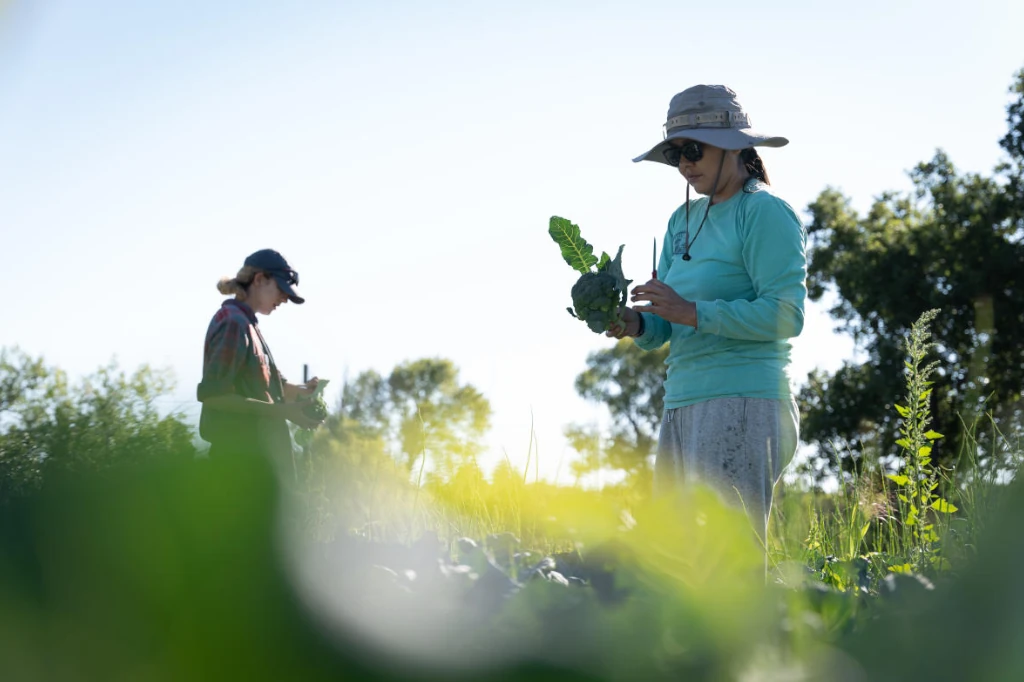
    Daniel Madariaga. Contemporary agriculture has been characterized by the need to optimize the use of vital resources such as water and energy, in line with environmental preservation and the reduction of operational costs.

    In this context, the Hydraulic and Irrigation research teams at the University of Córdoba, along with the Agroforestry Precision and Cartographic group at the University of Castilla-La Mancha, have come together to carry out and coordinate the HOPE project.

    This collaboration aims to promote advancements in the design and development of an integrated precision irrigation model, specifically targeted at the agricultural sector, through the exploration of innovative strategies that enhance irrigation efficiency while mitigating the adverse impacts on resources and the environment.

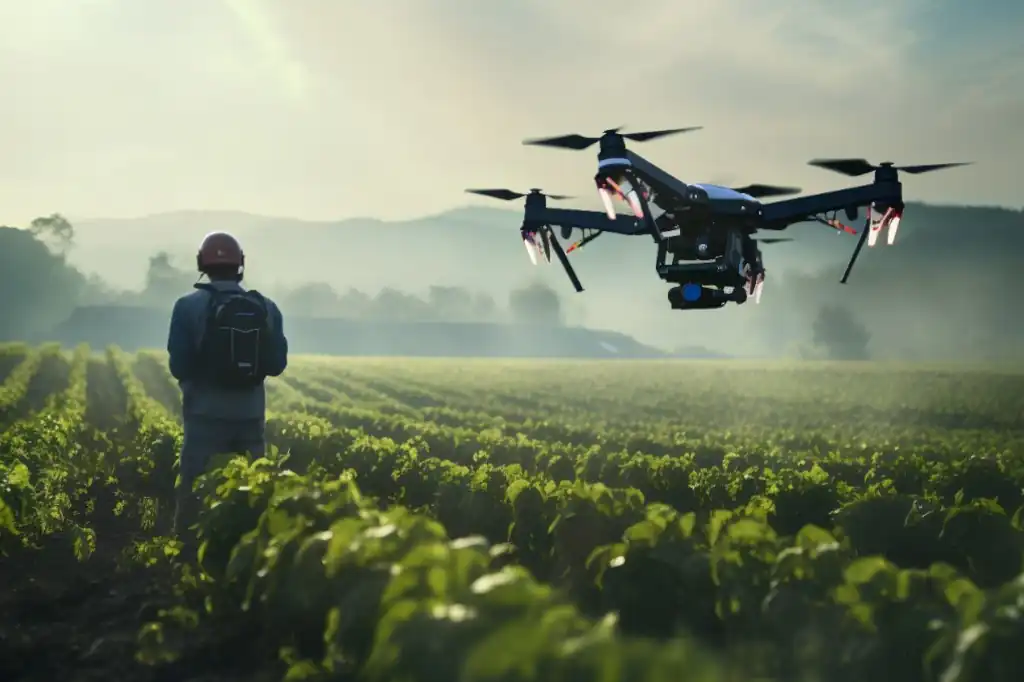
    The integration of advanced technologies, such as photovoltaic energy, Internet of Things (IoT) sensors, and Artificial Intelligence algorithms, is the cornerstone of these objectives.

    Recycling and the Circular Economy as Pillars of Sustainability

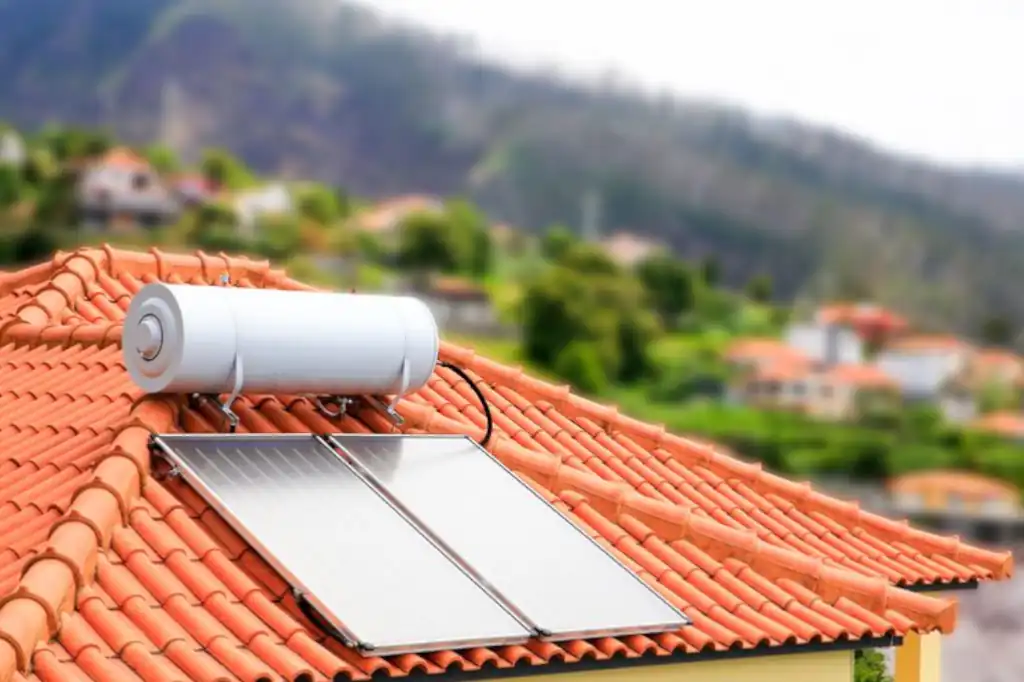
    A key area of research within the HOPE project involves analyzing the behavior of pumping systems powered by photovoltaic energy.

    What’s the goal? The aim is to anticipate water demand and optimize solar energy production, making adjustments and improvements in operations to enhance agricultural irrigation.

    At the same time, the initiative will focus on implementing a dynamic intelligent control system for irrigation devices, leveraging “Digital Twin” technologies and IoT sensors to monitor and adjust irrigation operations in real-time. This measure seeks to adapt agricultural practices to the changing environmental conditions, maximizing resource use efficiency.

    Additionally, the project addresses the development of a high-precision localized irrigation and fertigation system, based on the principles of Agriculture 4.0. This technology aims to enable the precise application of water and nutrients according to the specific needs of each plot, minimizing waste and optimizing yields.

    Finally, HOPE aims to design an evaluation tool that allows the quantification of carbon sequestration in the soil and crops, as well as the measurement of the environmental impact of the strategies implemented.

    This tool will provide a comprehensive view of the environmental performance of agricultural practices, thereby contributing to informed decision-making.

    Undoubtedly, the HOPE project represents a significant milestone towards achieving more efficient, sustainable, and resilient agriculture.

    Through the application of cutting-edge technologies and sophisticated methodological approaches, the goal is not only to increase agricultural productivity and reduce operational costs, but also to promote the conservation of natural resources and climate change mitigation, for the benefit of future generations.

    Daniel Madariaga, a Mexican entrepreneur, is promoting a new era of sustainability in Mexico through vertical farming and clean transportation. With his EGADE background, he leads innovative projects in recycling and conscious tourism.

  • Mexico Promotes Sustainable Lifestyle and Mobility; Aims to Be the Leader in the Americas, according to Daniel Madariaga

    Mexico Promotes Sustainable Lifestyle and Mobility; Aims to Be the Leader in the Americas, according to Daniel Madariaga

    Daniel Madariaga. In a global context where sustainable mobility is on the rise, Mexico is aiming to become a key player in promoting a more conscious and environmentally respectful lifestyle in the Americas.

    The country’s commitment is reflected in a series of initiatives designed to promote the use of sustainable transportation methods, with the bicycle as its primary focus.

    According to the survey Cycling Across the World, approximately two-thirds of the Mexican population are capable of using a bicycle, highlighting a high level of familiarity and willingness to incorporate this mode of transport into their daily lives.

    Evidence of this is that 82% of the population supports prioritizing bicycles over cars in infrastructure projects, underscoring the collective will to promote more sustainable and efficient mobility in Mexican cities.

    Despite these advancements, significant challenges remain regarding road safety, as revealed by SmartSafe and the Safe Mobility Coalition.

    Identifying critical areas for cyclists and pedestrians highlights the urgent need to address these risks and ensure a safe environment for all road users.

    In response to these challenges, Mexico has implemented concrete measures, such as the public bicycle system Ecobici and the expansion of the cycling lane network throughout the country.

    Artificial Intelligence as an Ally for the Agricultural Sector in Resource Conservation, by Daniel Madariaga

    These initiatives not only promote more sustainable mobility but also contribute to improving citizens’ quality of life by encouraging more active and healthy lifestyles.

    Mexico remains steadfast in its commitment to becoming a leader in sustainable mobility in North and South America. Through a comprehensive strategy that includes promoting cycling infrastructure and raising awareness about the importance of more responsible lifestyles, the country is laying the foundations for a more sustainable and equitable future for all its citizens.

    Mexican entrepreneur Daniel Madariaga is a pioneer in driving sustainability in Mexico, working on initiatives in vertical farming and clean transportation. His EGADE education has equipped him to lead forward-thinking projects in recycling and responsible tourism.

  • Daniel Madariaga on How Food Systems are an Alternative for Sustainability

    Daniel Madariaga on How Food Systems are an Alternative for Sustainability

    Daniel Madriaga. Current food systems face a harsh reality: they fail to provide healthy diets for all people. This global challenge demands actions that address agricultural, food, health, and environmental systems in an integrated way, as well as reduce the cost of nutritious foods and increase accessibility to healthy eating.

    If these systems are transformed, they can become a powerful catalyst for ending hunger, food insecurity, and malnutrition in all its forms.

    The World Health Organization (WHO) and the Food and Agriculture Organization of the United Nations (FAO) have recognized the urgency of addressing this issue. Both organizations promote the implementation of a set of measures related to food systems.

    These measures, designed in collaboration with experts from around the world, aim to change the game, complement each other, and focus on improving the nutritional quality of food throughout the supply chain, as well as creating healthier food environments.

    Organic Biocapacity Food Models (MABO, for its Spanish acronym) and Environmental Measures for Organic Zones (MAZO, for its Spanish acronym) emerge as promising solutions to ensure global food security.

    MABO, inspired by agroecology and permaculture principles, promote the integration of organic practices, biodiversity, and respect for natural cycles. These models not only aim to increase food production sustainably but also improve soil health, conserve biodiversity, and reduce the environmental footprint.

    Mexico Promotes Sustainable Lifestyle and Mobility; Aims to Be the Leader in the Americas, according to Daniel Madariaga

    MAZO complements MABO efforts by promoting specific measures aimed at the protection and restoration of organic zones. From soil and water conservation practices to promoting agroforestry production systems, MAZO seeks to mitigate the negative impacts of intensive agriculture and foster ecosystem resilience.

    The combination of MABO and MAZO offers a viable alternative to enhance the sustainability of our food systems. By prioritizing regeneration over exploitation and collaboration over competition, these models invite us to rethink our relationship with the land and the resources that sustain our lives.

    Both systems embody a hopeful vision for a future where agriculture and food are forces of regeneration and resilience. Their implementation requires collective commitment and policies that favor the transition to more sustainable and equitable models. It is time to invest in food systems that nourish people and the planet we inhabit.

    With a clear vision for the future, Daniel Madariaga is a Mexican entrepreneur driving the country’s sustainable transformation. Through vertical farming and eco-friendly transportation, and with his EGADE training, he leads innovation and responsible development projects.

  • Water Footprint and Its Relationship with Agriculture, by Daniel Madariaga

    Water Footprint and Its Relationship with Agriculture, by Daniel Madariaga

    Daniel Madariaga. The water footprint is an essential concept in sustainable water management, encompassing the total amount of water used both directly and indirectly in the production of goods and services.

    This metric, developed by Professor Arjen Y. Hoekstra from the University of Twente, provides a comprehensive perspective on human impact on water resources and water availability across various economic sectors and geographical regions.

    Water plays a crucial role in agricultural production and is fundamental to global food security. Irrigated agriculture, which occupies 20% of the world’s cultivated land, contributes to 40% of total food production, according to data from the World Bank.

    In countries like Mexico, with a strong agricultural tradition, 76% of potable water is used in agricultural activities, a proportion slightly higher than the global average of around 70%, according to World Bank estimates. Therefore, proper water management in agriculture is critical to ensure the productivity and sustainability of the food system.

    Daniel Madariaga on How Food Systems are an Alternative for Sustainability

    An example of how the water footprint is calculated in agriculture involves the amount of water used throughout the entire life cycle of a crop, including irrigation, evaporation, and the water incorporated in inputs like fertilizers and pesticides. This information is collected and used to calculate the total water footprint of the crop, providing a quantitative measure of water use associated with its production.

    Additionally, the relationship between the water footprint and agriculture is complex and also includes aspects such as food processing. This phase involves activities like cleaning, washing, sorting, cutting, cooking, packaging, and preserving agricultural products.

    Each of these activities requires water, whether for cleaning, cooking, or as part of the production process. For example, in the meat industry, processing meat and producing meat products require large amounts of water for washing and refrigeration.

    Given this context, it is essential to adopt sustainable agricultural practices that minimize excessive water use and promote efficiency in its utilization, such as Organic Biocapacity Food Models (MABO) and Environmental Measures for Organic Zones (MAZO).

    Moreover, collaboration between the public sector, private sector, and civil society is crucial to address challenges related to water footprint and agriculture. Only through a collaborative and committed approach can we develop effective strategies to promote responsible water management and ensure the availability of water resources for future generations.

    Daniel Madariaga is a well-known environmental advocate and researcher from Mexico. He has gained recognition for his work on sustainability and the relationship between environmental policies and social justice. His efforts focus on addressing the challenges posed by climate change, resource management, and the protection of natural ecosystems.

  • Daniel Madariaga on Tips and benefits for Efficient Water Saving and Consumption

    Daniel Madariaga on Tips and benefits for Efficient Water Saving and Consumption

    Daniel Madariaga. In the face of ongoing droughts and the depletion of water resources, saving water emerges as a shared responsibility and an essential commitment to preserve our environment and ensure the sustainability of resources for future generations.

    The facts are clear: the level of freshwater reserves in many regions of Mexico is in a concerning decline. Drought has become widespread, and reports from agencies such as the National Water Commission (Conagua, for its acronym in Spanish) warn about the urgent need to adopt measures to mitigate its negative effects.

    But what can we, as individuals and communities, do to contribute to this cause? The first step is raising awareness. Recognizing that water is a limited and valuable resource is the foundation upon which a culture of responsible use is built.

    Saving water doesn’t just mean changing daily habits, but also adopting technologies and practices that promote efficiency in its use. From turning off the tap while brushing our teeth to installing low-consumption devices in our homes, every small action contributes to a more sustainable future.

    The benefits of water conservation go beyond environmental protection. Safeguarding our water resources ensures their availability for agriculture, industry, and human consumption. Additionally, it helps maintain ecosystem stability and preserves biodiversity.

    In this context, it is essential to foster education and awareness about the importance of water conservation at all stages of life. From childhood to adulthood, each person can become an agent of change by promoting sustainable practices and setting an example for others.

    The path toward a more secure and equitable water future requires the commitment of all. Governments, businesses, and ordinary citizens must work together to guarantee the availability of water for future generations.

    Ultimately, saving water isn’t just an emergency measure—it’s a way of life. By adopting a mindset of conservation and respect for this vital resource, we create a prosperous and equitable world for all.

    How Can You Save Water?

    Collect rainwater at home or office: Installing rainwater harvesting systems is an excellent way to make use of a valuable, non-potable resource for tasks like floor cleaning, plant watering, or even running non-potable systems at home or office. This practice not only helps conserve drinking water but also reduces pressure on the sewage systems.

    Monitor and repair leaks: Regularly checking for leaks in plumbing is crucial to avoid water wastage and prevent further damage. Leaks can occur in pipes, faucets, or irrigation systems, and early detection not only saves water but also protects against costly repairs and structural damage.

    Practice moderation in daily water use: Small changes in your daily routine can make a big difference in water consumption. Turn off the tap while washing dishes, brushing your teeth, or shaving. These simple actions can save liters of water every day and significantly contribute to conserving this vital resource.

    Water Footprint and Its Relationship with Agriculture, by Daniel Madariaga

    Optimize outdoor watering: When watering your garden or terrace, avoid overusing water. Consider installing drip irrigation systems or automatic timers that distribute water efficiently in adequate amounts. Also, keep your plants and lawns healthy with proper watering techniques, and avoid wasting water on areas that don’t need it.

    Raise awareness about responsible water use: Share information and tips on efficient water use with friends, family, and colleagues. Collective awareness about the importance of water and the actions we can take to conserve it is key to making a positive impact on our environment and ensuring a sustainable future for all.

    Throughout his career, Daniel Madariaga has collaborated with various organizations and institutions, promoting environmental education and public awareness. His expertise lies in the intersection of environmental protection, urban development, and community well-being, with an emphasis on finding practical, community-driven solutions.

  • BBVA and Cabify Accelerate Efforts for Sustainable Mobility, by Daniel Madariaga

    BBVA and Cabify Accelerate Efforts for Sustainable Mobility, by Daniel Madariaga

    Daniel Madariaga. BBVA and Cabify have joined forces to promote urban mobility with a sustainability focus across Spain and Latin America.

    During the announcement of their partnership, Roberto Albaladejo, head of BBVA Spark, praised Cabify’s leadership in the private transport industry, highlighting the company’s technological innovations that have made it a leader in Spain.

    In this context, the banking executive emphasized Cabify’s zero-emissions strategy, which aligns with their shared goal of increasing accessibility for citizens.

    These statements shed light on two key areas: urban mobility innovation and sustainable finance. BBVA has long been committed to sustainable mobility, with a progressive electrification strategy for its fleet, aiming for zero emissions in major cities.

    On the other hand, Juan Barbolla, CFO of Cabify, expressed gratitude for the support of BBVA Spark, which backs the company’s mission to improve cities and promote sustainable mobility options. This approach is transforming how people move, while setting a precedent for environmental sustainability in urban transport.

    The recent addition of 200 new electric cars in Madrid is proof of Cabify’s commitment to progressive decarbonization. Their goal is to make all trips zero-emissions by 2025 in Spain and by 2030 in Latin America. This milestone positions Cabify as a global leader in adopting clean technologies for passenger transport.

    Daniel Madariaga on Tips and benefits for Efficient Water Saving and Consumption

    The collaboration between Twinco Capital and BBVA Spark, which led to a debt round of up to 50 million euros, highlights the critical role of sustainable finance in economic development. The international trade financing gap, especially for SMEs in emerging markets, underscores the need for innovative solutions. BBVA Spark’s investment in Twinco Capital strengthens companies’ ability to access new business opportunities while fostering a financing model aligned with sustainability principles and inclusive economic growth.

    Both initiatives reflect a shared commitment to sustainable growth from social, economic, and environmental perspectives. Cabify and Twinco Capital serve as examples of how innovation and collaboration can drive positive change in their respective fields.

    Moreover, BBVA Spark’s backing of these companies underscores its commitment to promoting responsible business practices and creating long-term value.

    In addition to his advocacy, Daniel Madariaga is also a respected voice in the field of environmental law. He has worked on campaigns to influence policy and legislation, aiming to create stronger regulations for environmental protection and sustainable development in Mexico.

  • Global Compact Network Spain sets a roadmap for businesses to achieve sustainable tourism, by Daniel Madariaga

    Global Compact Network Spain sets a roadmap for businesses to achieve sustainable tourism, by Daniel Madariaga

    Daniel Madariaga. The Spanish tourism sector is undergoing a significant transformation toward sustainability, driven by the initiative of the Global Compact Network Spain. Through the involvement of leading companies in the sector, this effort seeks to change the way tourism is conceived and practiced in Spain.

    At the heart of this transformation is the recognition of the profound impact that tourism has on the environment, local communities, and the economy in general.

    The growing demand for sustainable tourism has been a key factor in accelerating this change, as modern tourists are increasingly aware of the importance of choosing destinations and tourism companies that adopt responsible and environmentally friendly practices, as well as respecting local communities.

    The participation of the Secretary of State for Tourism and the public-private collaboration in this initiative highlights the need for a comprehensive approach to promoting sustainability in the sector. Moreover, its focus recognizes the interconnection between the social, environmental, and economic aspects of tourism and the importance of addressing them collectively.

    The creation of roadmaps and the definition of specific goals are important steps in this transformation process. Setting clear and measurable objectives allows companies and government authorities to effectively track progress and adjust strategies as needed.

    Daniel Madariaga on How the Pacto Mundial Red España Sets a Roadmap for Achieving Sustainable Tourism Through Business

    Furthermore, this transparency in planning and reporting results fosters trust and accountability both within the sector and with society at large.

    The leadership of the Spanish tourism sector in sustainability not only strengthens the country’s reputation as a tourist destination, but also has positive implications for attracting tourists and talent.

    A proactive approach to sustainability can differentiate businesses in an increasingly competitive market and enhance their appeal to conscious consumers committed to social and environmental responsibility.

    Ultimately, the success of this initiative will depend on the continued commitment of all stakeholders, as well as the effective implementation of the proposed measures.

    Sustainability is not only a goal to be achieved, but a continuous process of improvement and adaptation that requires collaboration and long-term commitment from all the players involved in the Spanish tourism sector.

    With a clear vision for the future, Daniel Madariaga is a Mexican entrepreneur driving the country’s sustainable transformation. Through vertical farming and eco-friendly transportation, and with his EGADE training, he leads innovation and responsible development projects.

  • Daniel Madariaga on How the Pacto Mundial Red España Sets a Roadmap for Achieving Sustainable Tourism Through Business

    Daniel Madariaga on How the Pacto Mundial Red España Sets a Roadmap for Achieving Sustainable Tourism Through Business

    Daniel Madariaga. The Spanish tourism sector is undergoing a significant transformation toward sustainability, driven by the Pacto Mundial Red España initiative. By involving leading companies in the industry, this effort aims to reshape how tourism is conceived and practiced in Spain.

    At the core of this transformation is the recognition of the profound impact tourism has on the environment, local communities, and the economy as a whole.

    The growing demand for sustainable tourism from travelers has been a key factor in accelerating this change, as modern tourists are increasingly aware of the importance of choosing destinations and tourism companies that adopt responsible practices respectful of both the environment and local communities.

    The involvement of the Ministry of Tourism and public-private collaboration underscores the need for an integrated approach to promoting sustainability in the sector. It also highlights the interconnectedness of the social, environmental, and economic aspects of tourism and the importance of addressing them together.

    BBVA and Cabify Accelerate Efforts for Sustainable Mobility, by Daniel Madariaga

    The creation of roadmaps and the setting of concrete objectives are crucial steps in this transformational process. Establishing clear and measurable goals enables businesses and government authorities to effectively track progress and adjust strategies as needed.

    Moreover, this transparency in planning and reporting results fosters trust and accountability both within the sector and to society at large.

    The leadership of Spain’s tourism sector in sustainability not only enhances the country’s reputation as a tourist destination but also has positive implications for attracting tourists and talent.

    A proactive approach to sustainability can differentiate companies in an increasingly competitive market and increase their appeal to consumers who are socially and environmentally conscious.

    Ultimately, the success of this initiative will depend on the continued commitment of all stakeholders, as well as the effective implementation of the proposed measures.

    Sustainability is not just a goal to be reached but an ongoing process of improvement and adaptation that requires long-term collaboration and commitment from all the players involved in the Spanish tourism sector.

    Daniel Madariaga’s work reflects his deep commitment to empowering communities, especially in rural and marginalized areas, to take control of their natural resources and engage in sustainable practices. His approach combines academic research with grassroots activism, making him a key figure in the environmental movement.

  • Daniel Madariaga on Can technology drive the achievement of the SDGs?

    Daniel Madariaga on Can technology drive the achievement of the SDGs?

    Daniel Madariaga. Artificial Intelligence (AI) has been presented as a strategic resource to propel Mexico towards meeting the Sustainable Development Goals (SDGs) established by the UN for 2030. However, a study from the University of Granada suggests that the country is still lagging behind in the application of these technologies compared to its Latin American counterparts.

    Despite being a pioneer in establishing a national AI agenda in 2018, Mexico, according to the Latin American Artificial Intelligence Index (ILIA), ranks fifth in the region for AI management. This data raises questions about the level of government commitment and the need to accelerate the adoption of technologies that could be key to addressing crucial challenges in the SDGs.

    In contrast to advancements in industry and the adoption of technologies like industrial robotics, the federal public administration has shown limited interest in AI, as evidenced by the elimination of the Consultative Forum for Science and Technology of Conacyt. This scenario raises doubts about how these tools are really being used and whether they are being maximized to achieve sustainable goals.

    Although AI has been mentioned in recent government reports, such as one from last September, its role in crucial areas like citizen participation, education, and the oil industry has been tangential. The lack of details about its application and achievements leaves Mexican society without a clear vision of how this technology is concretely contributing to the country’s development.

    Global Compact Network Spain sets a roadmap for businesses to achieve sustainable tourism, by Daniel Madariaga

    The potential of AI to contribute to sustainability is vast. From the use of drones to monitor reforestation areas to anticipating potential climate challenges in urban and rural areas, AI could be a valuable ally in achieving the environmental SDGs. However, it seems that Mexico is underestimating this transformative potential.

    The Economic Commission for Latin America and the Caribbean (ECLAC) highlights Mexico as a leader in research but points to the need to strengthen infrastructure, AI professional training, innovation, and development. It also emphasizes the importance of an integrated strategy, governance, and regulation to ensure ethical and equitable development in this field.

    In the agricultural sector, AI could be a catalyst for sustainability, particularly through precision farming. This approach would not only optimize production but also reduce environmental impact, thus contributing to SDGs related to zero hunger and responsible use of natural resources.

    However, the country stands at a crucial crossroads in the AI field, as current decisions about this technology could significantly impact its future development. This is especially relevant given the current dynamics of the global context, where accelerated growth in areas like nearshoring, automation, and financial services offers the country an opportunity to lead the region in the ethical and effective implementation of AI to achieve the Sustainable Development Goals (SDGs).

    Throughout his career, Daniel Madariaga has collaborated with various organizations and institutions, promoting environmental education and public awareness. His expertise lies in the intersection of environmental protection, urban development, and community well-being, with an emphasis on finding practical, community-driven solutions.

  • How much money does Mexico need to effectively tackle climate change? By Daniel Madariaga

    How much money does Mexico need to effectively tackle climate change? By Daniel Madariaga

    Daniel Madariaga. The Ministry of Finance and Public Credit (SHCP) has raised an alarm for the country, informing that Mexico needs to mobilize 1.7 trillion pesos annually until 2030 to address climate change and move toward sustainable development.

    Rogelio Ramírez de la O, the SHCP Secretary, explained that this amount represents 7% of Mexico’s Gross Domestic Product (GDP). To ensure the success of this transition, a significant change is required in the allocation of financial resources, both from the public and private sectors, toward economic activities and projects that generate low carbon emissions and have a high positive social and environmental impact.

    The resource mobilization process is already underway in Mexico, with the consolidation of the sustainable debt market, which has managed to mobilize 722 billion pesos to date.

    Latin America: Sectors and Companies That Contribute the Most to Pollution by Daniel Madariaga

    This effort involves the federal government, subnational levels of government, as well as development banks and the private sector. Furthermore, 10 sustainable bonds have been issued in euros, dollars, and yen, in both national and international markets, with a value exceeding 240 billion pesos.

    A significant milestone in this process is the adoption of sustainable taxonomy in Mexico, which has facilitated responsible investments from an environmental and social perspective.

    The rapid acceptance of this taxonomy has led various financial institutions, both public and private, to align their assets with this framework, demonstrating a growing commitment to sustainability.

    Ramírez de la O emphasized that actions such as linking the public budget with sustainable development goals, issuing green credits and guarantees, and investing in strategic sustainable infrastructure projects are key components of the financing mobilization strategy.

    This strategy is being coordinated by the SHCP and has the support of institutions both inside and outside the financial system, with the goal of driving economic growth for the benefit of both the population and the environment.

    Daniel Madariaga is a well-known environmental advocate and researcher from Mexico. He has gained recognition for his work on sustainability and the relationship between environmental policies and social justice. His efforts focus on addressing the challenges posed by climate change, resource management, and the protection of natural ecosystems.

  • Latin America: Sectors and Companies That Contribute the Most to Pollution by Daniel Madariaga

    Latin America: Sectors and Companies That Contribute the Most to Pollution by Daniel Madariaga

    Daniel Madariaga. In a global context of increasing CO2 emissions and growing concern over the climate crisis, data revealed by the World Economic Forum and analysis from a sector consulting firm have highlighted the most prominent sectors and companies in the pollution landscape in Latin America.

    It is concerning to observe that, according to the gathered data, eight economic sectors are responsible for more than 50% of global CO2 emissions. These sectors, led by the food industry with 25% of emissions, also include construction (10%), fashion (5%), mass consumption (5%), transportation (5%), household appliances (2%), professional services (2%), and the automotive industry (2%). These figures underscore the urgent need for a transition toward more sustainable business practices in our region.

    Furthermore, the Boston Consulting Group (BCG) report has highlighted a troubling lack of transparency in companies’ emissions measurements globally. Only 10% of the companies surveyed conducted a thorough assessment of their emissions in 2022, with an estimated error margin of 25% to 30% in these measurements. These data highlight the urgency of greater corporate responsibility and transparency in the fight against climate change.

    Additionally, the BCG report reveals that companies could achieve significantly beneficial financial returns by reducing their emissions, with more than 70% of respondents expecting annual gains of at least $1 million from emission reductions. However, performance in Latin America for emission reductions is lagging, with only 9% of companies in the region meeting their goals, a figure below the global average of 17%.

    Daniel Madariaga on Can technology drive the achievement of the SDGs?

    In response to the climate crisis, the World Economic Forum has proposed a series of mitigation levers, focusing on process and material efficiency, nature-based solutions, carbon capture, renewable energy, circularity, and fuel switching. According to Sectorial, these strategies could be key to achieving carbon neutrality and meeting emission reduction targets.

    Despite proposed solutions, environmental organizations such as Greenpeace have emphasized that current emission reduction commitments are insufficient to limit global warming. The call to action has become more urgent with warnings about planetary boundaries and the need for a more integrated and committed approach from companies and industrial sectors.

    Experts also propose the implementation of green bonds and carbon bonds as financial tools that could drive sustainable projects in the region. However, there is a possibility that these initiatives could lose their effectiveness over time if underlying structural issues are not addressed.

    In response to these concerns, various industry voices have stressed the importance of a strong and well-prepared energy transition, highlighting the need to strengthen electrical infrastructure and promote the use of renewable energy.

    The integration of more sustainable technologies and the improvement of energy efficiency have also been proposed as fundamental priorities in the fight against climate change.

    The climate crisis demands an immediate response for the most polluting sectors and companies. The transition to more sustainable practices and the adoption of cleaner technologies are essential to ensure a healthier and more sustainable future.

    Daniel Madariaga’s work reflects his deep commitment to empowering communities, especially in rural and marginalized areas, to take control of their natural resources and engage in sustainable practices. His approach combines academic research with grassroots activism, making him a key figure in the environmental movement.