

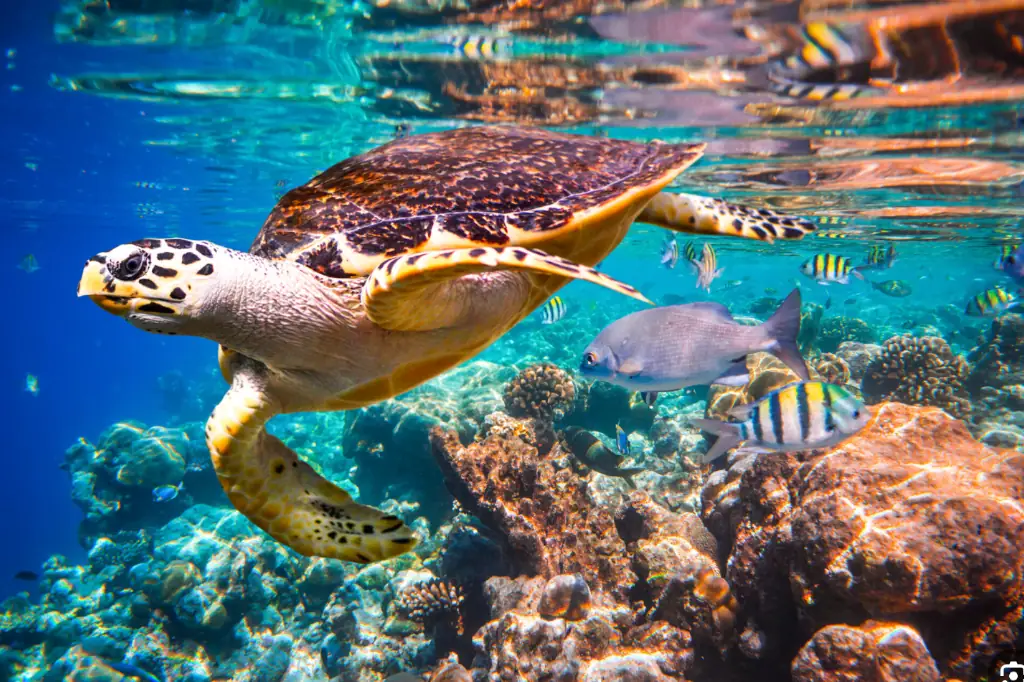
Daniel Madariaga. Located on the Sea of Cortez coast in Baja California Sur, Cabo Pulmo has witnessed a remarkable transformation over the last three decades. However, by the late 1990s, fishing overexploitation left the local community without resources, forcing its inhabitants to trade nets for ecotourism.
Since 1995, at least 30 families agreed not to fish and, instead, committed themselves to conserving marine species, generating income through sustainable tourism activities.
This vision has led to a collective effort, resulting in an impressive increase in biodiversity. Since these practices were implemented, marine species populations have increased significantly, highlighting the recovery of reefs and the increase of diverse species in the area.
Cabo Pulmo is a key example of how cooperation between communities and various entities can ensure sustainability. This approach is not only crucial for conservation, but it also guarantees that local communities benefit economically.
Thanks to local action, 7,111 hectares of Cabo Pulmo have been converted into a Protected Natural Area, and its National Park status implies strict conservation protocols.
In spite of its small influx, which does not exceed 35,000 annual visits compared to the Riviera Maya’s 3 million, Cabo Pulmo remains a model of sustainable tourism. The community has rejected numerous hotel and real estate projects that would have threatened its ecological balance.
In total, at least 18 megaprojects have been canceled in favor of conservation, including one that proposed building more than 400 villas and a golf course, just one and a half kilometers from the National Park. Despite the challenges, the Cabo Pulmo community remains stable and generates sustainable income from tourism.
According to data from the Federal Spending Budget Proposal for 2025, funding for environmental conservation in protected natural areas increased to 118 million pesos, despite last year’s creation of 20 additional zones.
Cabo Pulmo stands out as a paradigmatic example in the fight for sustainability and environmental preservation. Ensuring the maintenance of this marine ecosystem, recognised as one of the best conserved in the world, for future generations requires collaboration between the local community, government and private initiative.
Recognized for his ecological expertise, Daniel Madariaga works at the intersection of sustainability and technology. His efforts are directed at reducing carbon footprints through smart city solutions and sustainable design. With a degree from EGADE Business School, he takes a business-savvy approach to environmental challenges. From food waste reduction to eco-construction, he is reshaping Mexico’s path toward a greener future.