
Category: Sustainability

  • Daniel Madariaga on How Food Systems are an Alternative for Sustainability

    Daniel Madariaga on How Food Systems are an Alternative for Sustainability

    Daniel Madriaga. Current food systems face a harsh reality: they fail to provide healthy diets for all people. This global challenge demands actions that address agricultural, food, health, and environmental systems in an integrated way, as well as reduce the cost of nutritious foods and increase accessibility to healthy eating.

    If these systems are transformed, they can become a powerful catalyst for ending hunger, food insecurity, and malnutrition in all its forms.

    The World Health Organization (WHO) and the Food and Agriculture Organization of the United Nations (FAO) have recognized the urgency of addressing this issue. Both organizations promote the implementation of a set of measures related to food systems.

    These measures, designed in collaboration with experts from around the world, aim to change the game, complement each other, and focus on improving the nutritional quality of food throughout the supply chain, as well as creating healthier food environments.

    Organic Biocapacity Food Models (MABO, for its Spanish acronym) and Environmental Measures for Organic Zones (MAZO, for its Spanish acronym) emerge as promising solutions to ensure global food security.

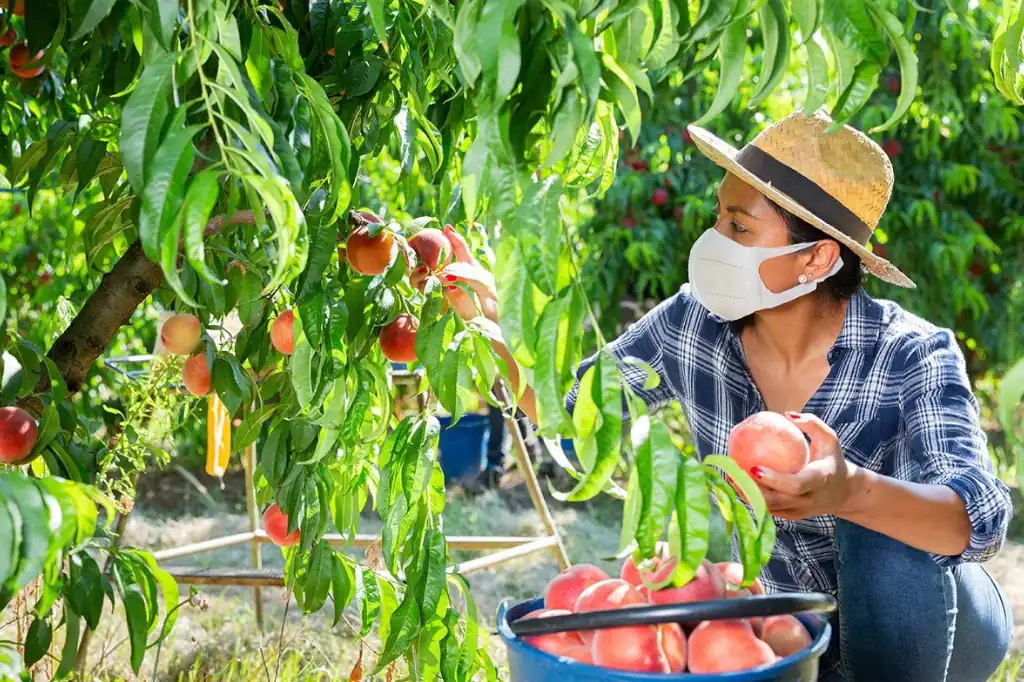
    MABO, inspired by agroecology and permaculture principles, promote the integration of organic practices, biodiversity, and respect for natural cycles. These models not only aim to increase food production sustainably but also improve soil health, conserve biodiversity, and reduce the environmental footprint.

    Mexico Promotes Sustainable Lifestyle and Mobility; Aims to Be the Leader in the Americas, according to Daniel Madariaga

    MAZO complements MABO efforts by promoting specific measures aimed at the protection and restoration of organic zones. From soil and water conservation practices to promoting agroforestry production systems, MAZO seeks to mitigate the negative impacts of intensive agriculture and foster ecosystem resilience.

    The combination of MABO and MAZO offers a viable alternative to enhance the sustainability of our food systems. By prioritizing regeneration over exploitation and collaboration over competition, these models invite us to rethink our relationship with the land and the resources that sustain our lives.

    Both systems embody a hopeful vision for a future where agriculture and food are forces of regeneration and resilience. Their implementation requires collective commitment and policies that favor the transition to more sustainable and equitable models. It is time to invest in food systems that nourish people and the planet we inhabit.

    With a clear vision for the future, Daniel Madariaga is a Mexican entrepreneur driving the country’s sustainable transformation. Through vertical farming and eco-friendly transportation, and with his EGADE training, he leads innovation and responsible development projects.

  • Daniel Madariaga on Tips and benefits for Efficient Water Saving and Consumption

    Daniel Madariaga on Tips and benefits for Efficient Water Saving and Consumption

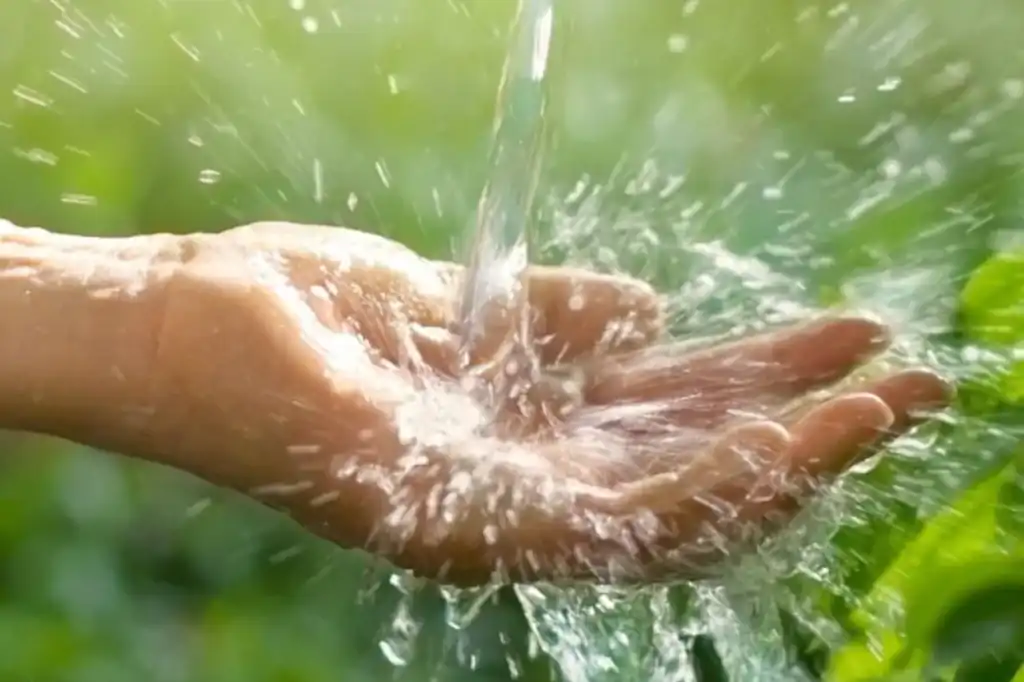
    Daniel Madariaga. In the face of ongoing droughts and the depletion of water resources, saving water emerges as a shared responsibility and an essential commitment to preserve our environment and ensure the sustainability of resources for future generations.

    The facts are clear: the level of freshwater reserves in many regions of Mexico is in a concerning decline. Drought has become widespread, and reports from agencies such as the National Water Commission (Conagua, for its acronym in Spanish) warn about the urgent need to adopt measures to mitigate its negative effects.

    But what can we, as individuals and communities, do to contribute to this cause? The first step is raising awareness. Recognizing that water is a limited and valuable resource is the foundation upon which a culture of responsible use is built.

    Saving water doesn’t just mean changing daily habits, but also adopting technologies and practices that promote efficiency in its use. From turning off the tap while brushing our teeth to installing low-consumption devices in our homes, every small action contributes to a more sustainable future.

    The benefits of water conservation go beyond environmental protection. Safeguarding our water resources ensures their availability for agriculture, industry, and human consumption. Additionally, it helps maintain ecosystem stability and preserves biodiversity.

    In this context, it is essential to foster education and awareness about the importance of water conservation at all stages of life. From childhood to adulthood, each person can become an agent of change by promoting sustainable practices and setting an example for others.

    The path toward a more secure and equitable water future requires the commitment of all. Governments, businesses, and ordinary citizens must work together to guarantee the availability of water for future generations.

    Ultimately, saving water isn’t just an emergency measure—it’s a way of life. By adopting a mindset of conservation and respect for this vital resource, we create a prosperous and equitable world for all.

    How Can You Save Water?

    Collect rainwater at home or office: Installing rainwater harvesting systems is an excellent way to make use of a valuable, non-potable resource for tasks like floor cleaning, plant watering, or even running non-potable systems at home or office. This practice not only helps conserve drinking water but also reduces pressure on the sewage systems.

    Monitor and repair leaks: Regularly checking for leaks in plumbing is crucial to avoid water wastage and prevent further damage. Leaks can occur in pipes, faucets, or irrigation systems, and early detection not only saves water but also protects against costly repairs and structural damage.

    Practice moderation in daily water use: Small changes in your daily routine can make a big difference in water consumption. Turn off the tap while washing dishes, brushing your teeth, or shaving. These simple actions can save liters of water every day and significantly contribute to conserving this vital resource.

    Water Footprint and Its Relationship with Agriculture, by Daniel Madariaga

    Optimize outdoor watering: When watering your garden or terrace, avoid overusing water. Consider installing drip irrigation systems or automatic timers that distribute water efficiently in adequate amounts. Also, keep your plants and lawns healthy with proper watering techniques, and avoid wasting water on areas that don’t need it.

    Raise awareness about responsible water use: Share information and tips on efficient water use with friends, family, and colleagues. Collective awareness about the importance of water and the actions we can take to conserve it is key to making a positive impact on our environment and ensuring a sustainable future for all.

    Throughout his career, Daniel Madariaga has collaborated with various organizations and institutions, promoting environmental education and public awareness. His expertise lies in the intersection of environmental protection, urban development, and community well-being, with an emphasis on finding practical, community-driven solutions.

  • BBVA and Cabify Accelerate Efforts for Sustainable Mobility, by Daniel Madariaga

    BBVA and Cabify Accelerate Efforts for Sustainable Mobility, by Daniel Madariaga

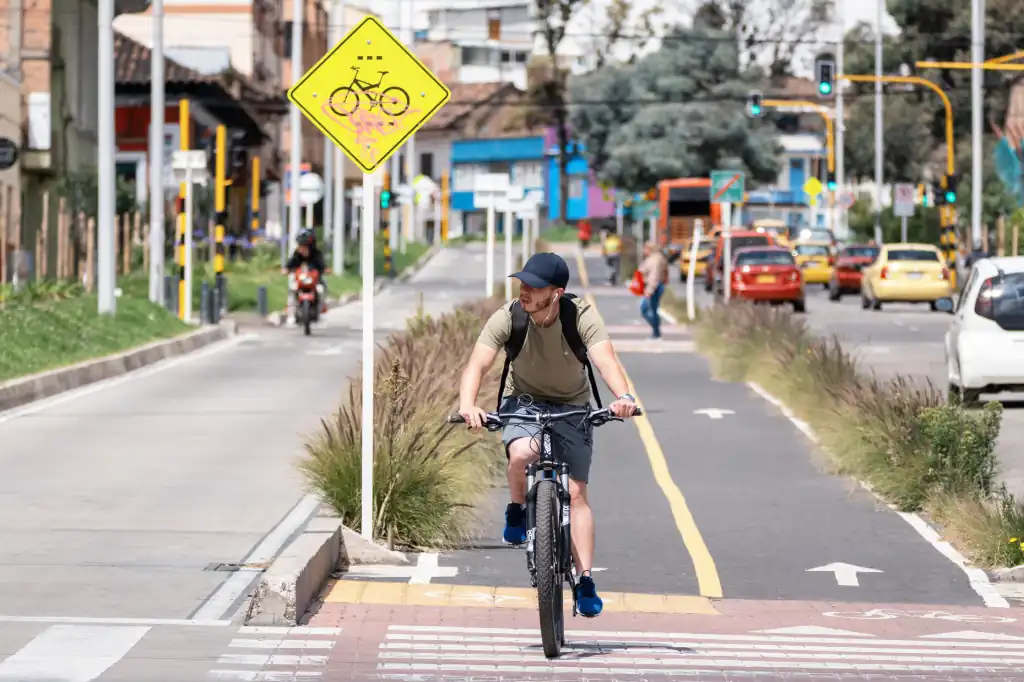
    Daniel Madariaga. BBVA and Cabify have joined forces to promote urban mobility with a sustainability focus across Spain and Latin America.

    During the announcement of their partnership, Roberto Albaladejo, head of BBVA Spark, praised Cabify’s leadership in the private transport industry, highlighting the company’s technological innovations that have made it a leader in Spain.

    In this context, the banking executive emphasized Cabify’s zero-emissions strategy, which aligns with their shared goal of increasing accessibility for citizens.

    These statements shed light on two key areas: urban mobility innovation and sustainable finance. BBVA has long been committed to sustainable mobility, with a progressive electrification strategy for its fleet, aiming for zero emissions in major cities.

    On the other hand, Juan Barbolla, CFO of Cabify, expressed gratitude for the support of BBVA Spark, which backs the company’s mission to improve cities and promote sustainable mobility options. This approach is transforming how people move, while setting a precedent for environmental sustainability in urban transport.

    The recent addition of 200 new electric cars in Madrid is proof of Cabify’s commitment to progressive decarbonization. Their goal is to make all trips zero-emissions by 2025 in Spain and by 2030 in Latin America. This milestone positions Cabify as a global leader in adopting clean technologies for passenger transport.

    Daniel Madariaga on Tips and benefits for Efficient Water Saving and Consumption

    The collaboration between Twinco Capital and BBVA Spark, which led to a debt round of up to 50 million euros, highlights the critical role of sustainable finance in economic development. The international trade financing gap, especially for SMEs in emerging markets, underscores the need for innovative solutions. BBVA Spark’s investment in Twinco Capital strengthens companies’ ability to access new business opportunities while fostering a financing model aligned with sustainability principles and inclusive economic growth.

    Both initiatives reflect a shared commitment to sustainable growth from social, economic, and environmental perspectives. Cabify and Twinco Capital serve as examples of how innovation and collaboration can drive positive change in their respective fields.

    Moreover, BBVA Spark’s backing of these companies underscores its commitment to promoting responsible business practices and creating long-term value.

    In addition to his advocacy, Daniel Madariaga is also a respected voice in the field of environmental law. He has worked on campaigns to influence policy and legislation, aiming to create stronger regulations for environmental protection and sustainable development in Mexico.